
Broken glass, ground into paste and pressed into the fist wraps of a fighter about to step into the ring. It is one of the most repeated facts about old-school Muay Thai, and it is not true. No verified account, photograph, or surviving wrap from the kard chuek era shows glass embedded in rope. The image comes largely from film and secondhand retelling, not from the historical record. Strip that away, though, and the real story underneath is arguably more interesting than the myth it replaced.
Fighting Before Gloves
Long before padded gloves arrived in Thailand, Muay Thai was already a mature, codified fighting art practiced in villages, temple fairs, and royal courts. Fighters didn’t wear anything resembling modern equipment. Hands were the weapon, and the hands needed protection of some kind, both for the puncher and, to a lesser extent, for whoever was on the receiving end.
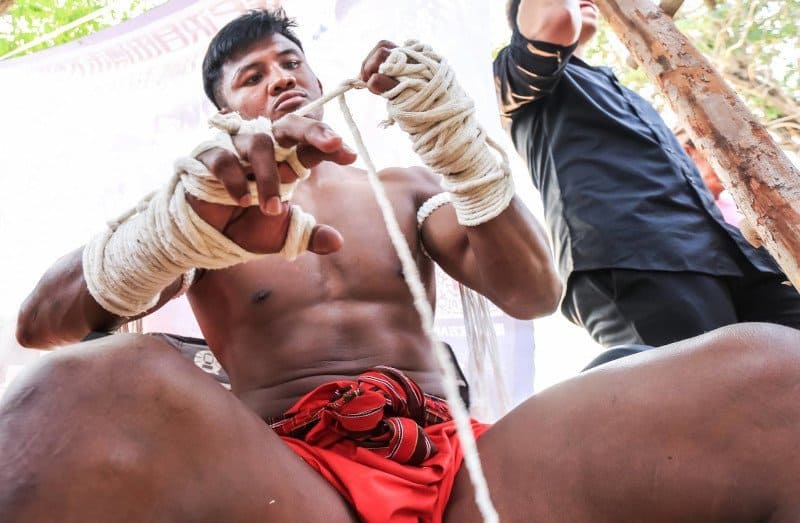
That protection came in the form of kard chuek: rope wound tightly around the hand, wrist, and sometimes partway up the forearm. It wasn’t decorative. It was functional armor for the striking surface of the fist, and it shaped the entire sport around it in ways gloves never would.
Matches under this system had no time limits in the way modern bouts do, no standardized weight classes for most of the era, and often ran until one fighter could no longer continue. Rules varied by region and by event. What stayed consistent was the rope.
What the Ropes Were Really Made Of (and the Glass Myth)
Kard chuek wraps were typically hemp rope, sometimes cotton, wound in overlapping bands from the knuckles down through the wrist. Hemp was abundant, cheap, and, once wrapped tightly and sometimes treated, hard enough to add real weight and rigidity to a punch. That’s the whole secret. No glass, no resin shards, no hidden hardware.
The myth almost certainly grew out of Western film depictions of Southeast Asian fighting arts and got repeated so often it calcified into common knowledge. It’s an easy story to believe because rope-bound fists already sound brutal, and glass simply raises the stakes another notch. But raising the stakes isn’t the same as documenting them. Historians and Muay Thai scholars who have looked for solid evidence of glass-embedded wraps consistently come up empty. What actually made kard chuek dangerous didn’t need any embellishment.
Tightly wound rope against skin and bone is already an abrasive, cutting surface. Add sweat, movement, and repeated contact, and the ropes alone could open cuts that a padded glove simply cannot produce. That’s the real story, and it’s the one worth telling.
How Rope-Bound Fighting Changed Technique
Fighting with hemp instead of foam changed what worked in the ring. Modern gloves cushion impact and, paradoxically, let boxers throw harder without shredding their own hands. Rope did the opposite. It offered the puncher some structure, but it also meant that a fist moving across skin, rather than driving straight through it, tended to slice rather than simply bruise.
That physics pushed fighters toward technique that produced cuts and structural damage over pure knockout power. A fighter didn’t need to end things with one blow. Steady accumulation of open wounds could stop a bout just as effectively, sometimes faster, since a bad cut near the eye could halt a fight outright.
Elbows mattered enormously in this environment, arguably more than they do in some modern rulesets. An elbow already carries a hard, narrow striking surface. Combine that with a rope-wrapped forearm brushing across an opponent during clinch work, and the cutting potential compounded. Fighters trained elbows as a primary weapon, not a supplementary one, because the whole system rewarded technique that opened skin rather than technique that simply landed hard.
The 1920s Glove Revolution
Change came in the 1920s, when Thailand began adopting international boxing gloves and formalizing rules closer to what modern audiences would recognize. Rings replaced open dirt circles. Rounds got standardized. Referees took on a role closer to what they hold today.
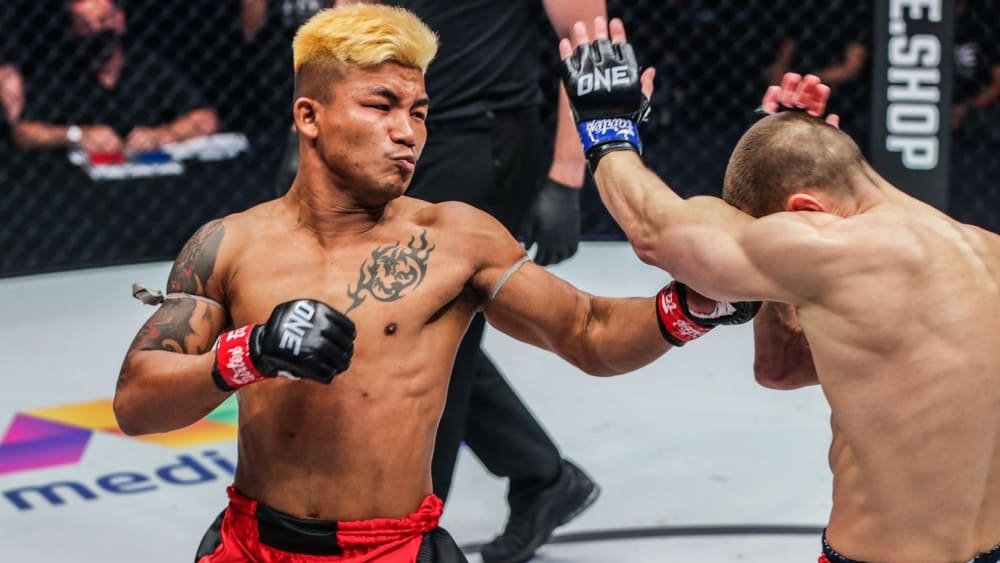
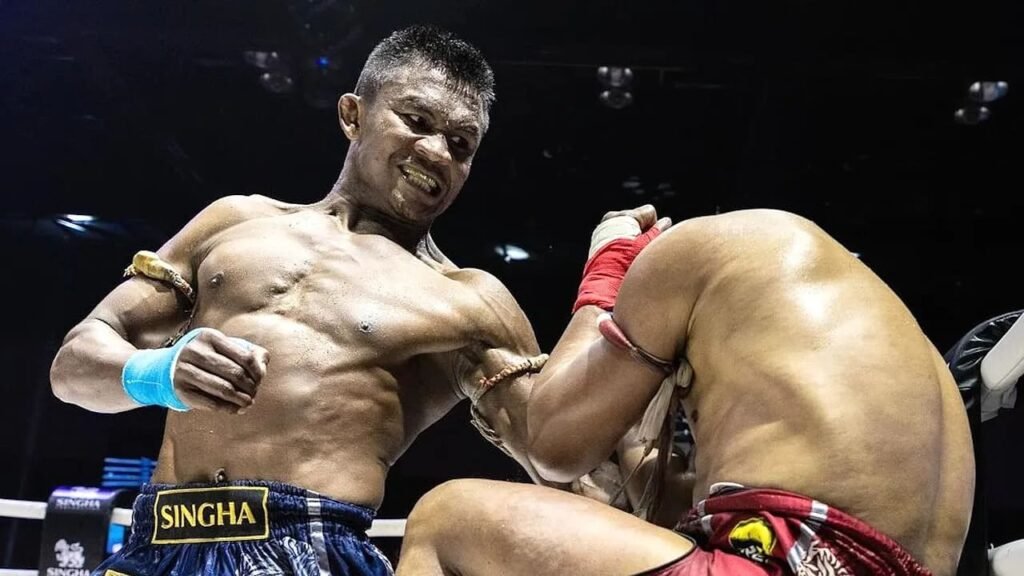
Gloves softened the striking surface dramatically, and with that softening came a shift in what worked. Cutting techniques lost some of their payoff. A wrapped, gloved fist simply doesn’t slice skin the way rope did, so fighters who once relied on grinding elbow work and rope-abrasion tactics had to adjust toward power striking and clean technical boxing. Some of the old boran arsenal, the deeper well of traditional Muay Boran techniques built around close-range grappling and improvised weapons of the body, gradually faded from mainstream competition as the sport modernized around glove-friendly rules.
It wasn’t an overnight replacement. Kard chuek bouts continued in some regions well after gloves became standard elsewhere, and the transition unfolded unevenly across different provinces and promotions. But the direction was set, and by the time Muay Thai reached the international stage in the form most fans know now, gloves were simply assumed.
Kard Chuek Today
Rope-bound fighting never fully disappeared. It survives mostly as a demonstration and specialty format rather than mainstream competition. Thai Fight, the promotion known for staging Muay Thai under various historical and modern rule sets, has run kard chuek-rules events specifically to showcase the old style for audiences who want to see where the sport came from, not just where it is now.
These events function closer to living history than regular competition. Fighters who take part usually come from backgrounds steeped in traditional training, and the matches draw attention precisely because so few people have seen the format live. For a sport built partly on preserving its own heritage, kard chuek exhibitions serve as a direct, physical link back to a version of Muay Thai that most fans only know from old photographs.
Kard Chuek vs Lethwei
Myanmar’s Lethwei offers the closest living comparison to what kard chuek fighting must have felt like. Lethwei is often called Myanmar’s bareknuckle cousin to Muay Thai, and for good reason: fighters compete with hands wrapped in cloth or gauze rather than padded gloves, headbutts remain legal, and a draw is the only outcome if no knockout occurs, since there’s no judged decision.
The kinship runs deeper than the rules on paper. Both arts developed in a context where the striking surface itself, rope or bare cloth-wrapped knuckle, dictated the entire strategic approach. Cuts, clinch-range elbows, and structural damage carry more weight than they do in gloved boxing. Lethwei didn’t inherit kard chuek directly, but the two systems arrived at strikingly similar answers to the same basic question: what happens to fight technique when you take the padding away.
That’s the throughline worth remembering. Long before international federations, weight classes, and televised gloved bouts, Southeast Asia’s striking arts were already asking that question, and rope was simply Thailand’s answer.