
An hour of one-on-one at a decent North American gym runs $60 to $100. Four of those cost more than a month of unlimited group classes almost anywhere, so the question deserves a straight answer rather than a shrug.
Here it is. Private lessons are the best value in this sport at exactly two points in a training life: your first eight weeks, and the six weeks before a fight. Everywhere else, the same cash buys more skill spent on extra classes, open gym time, and sparring rounds. Not marginally more. A lot more.
That verdict irritates both camps. Coaches who run privates as a revenue line will tell you everybody needs a standing weekly slot. Meanwhile the veterans by the heavy bags insist beginners have no business paying for one-on-one at all, and should bank six months of group pads before they buy anyone’s undivided attention. Both positions hold something true. The whole thing turns on what happens inside the hour, which is the part most articles on this subject skip.
What an hour actually costs
Prices cluster tighter than people expect once you strip out the outliers. A regular coach at a regular gym in the US or Canada charges somewhere between $60 and $100. A former pro, a head coach with a fight team, or somebody with a stadium record in Bangkok charges $120 and up, and a handful of famous names in big cities quote numbers that make no sense unless you are prepping for a televised card.
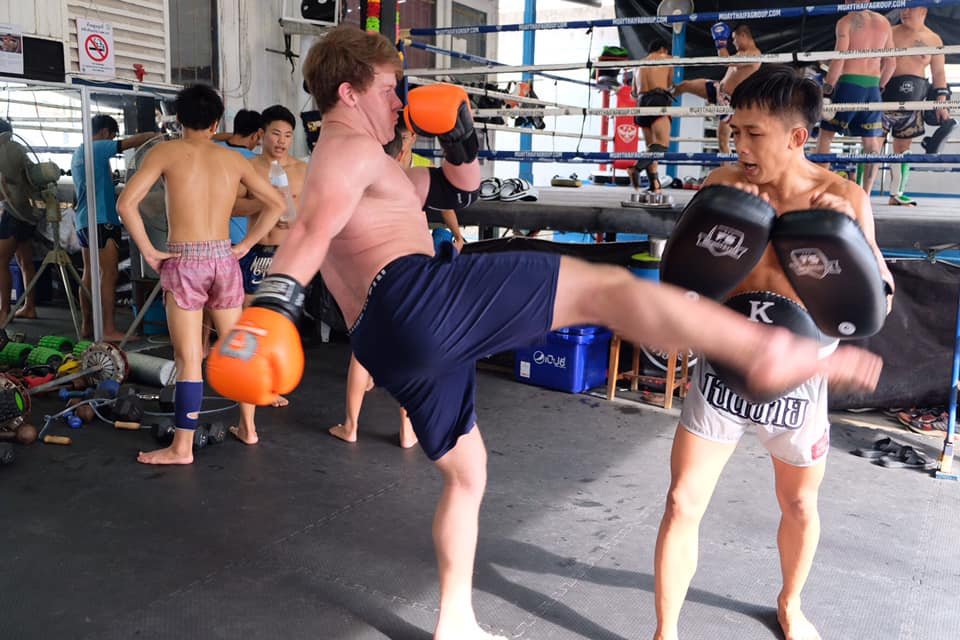
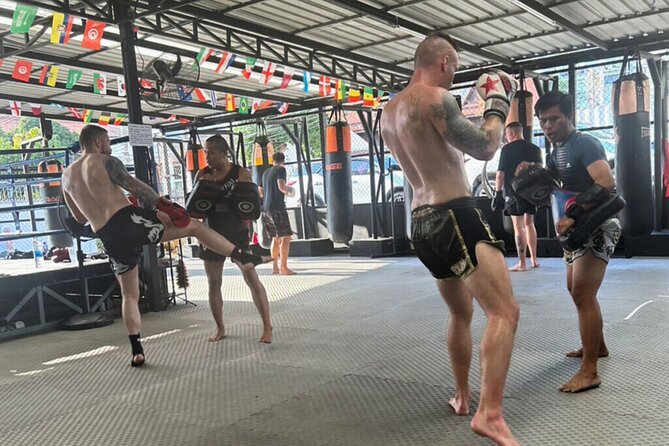
Thailand flips the math completely. A one-hour private at a working gym in Chiang Mai or on Phuket typically lands between 500 and 1,000 baht, roughly $15 to $30, and gyms with genuine legends on staff charge two or three times that. People come home from a two-week trip having done fourteen privates for the price of two back home. That gap is the single strongest argument for planning a training holiday instead of buying a package at your local gym.
| Format | Typical cost | What you should get for it | Worth it when |
| Standard private, US or Canada | $60 to $100 / hour | Warmup, 20 minutes of correction on one or two specific faults, 4 to 5 pad rounds that force the fix, homework you can drill alone | Your first two months, or killing one broken habit |
| Private with a head coach or ex-pro | $120 to $180 / hour | Tactical work: reads, ring positioning, a plan built around a named opponent | Fight camp, six weeks out |
| Semi-private, 2 to 3 people | $35 to $60 each | Live partner drills, clinch turns and knee defense with a coach correcting both of you | Clinch work, sparring habits, tight budget |
| Private in Thailand | 500 to 1,500 baht | Five rounds of hard pads, huge volume, far less talking | Every day you are there |
| Extra group class or open gym | $0 to $25 drop-in | Mat time, bodies to work with, rounds | Basically all the months in between |
The right-hand column is the one that matters. Every format on that list is good at something, and none of them is good at everything.
A private is not a paid pad session
The lazy version goes like this. You skip rope for five minutes, the coach calls you over, you do five rounds of pads, he says “harder” fourteen times, you finish with twenty crunches and a stretch, and he tells you that was a good session. You just paid $80 for a workout. Nothing was diagnosed and nothing changed, and you will make the identical mistakes in Tuesday’s class.
A real private has a spine to it. The kru names one problem out loud at the start, usually something you already half know: your left hand drops when you kick right, or you never turn the hip over, or you reset by stepping straight back into the pocket. Then you drill it slowly with no pads at all, which feels awkward and unglamorous and is the part actually worth paying for. Then he holds pads that only reward the corrected version, so the old habit stops working. You leave with two or three things to drill on the bag by yourself.
Worth understanding: in Thailand, pads are the whole session by design. Fighters there are on the pads twice a day, six days a week, so the coach can drip-feed corrections across hundreds of rounds and never needs to stop the flow to explain anything. Copying that format for one hour every other week in Cleveland is exactly where the money disappears.
Window one: your first eight weeks
In a beginner class of twenty people with one coach on the floor, you get maybe thirty seconds of individual attention. That is not a criticism of group classes, it’s arithmetic. The problem is that the movement patterns you build in your first two months are the ones you will spend the next two years trying to undo, and shin-first kicking off a flat foot with a dropped guard is a lot easier to prevent than to fix.
Two or three privates spread across those eight weeks does more for your technique than any other $200 you will spend as a beginner. Spread is the key word. Book one in week two, one around week five, one at week eight, and drill the corrections in group class between them.
Here is where plenty of good coaches disagree, and their reasoning is not stupid. A total novice has no frame of reference, so a coach can hand them six precise corrections and they retain roughly none, because they cannot yet feel the difference between right and wrong. Those coaches want you to accumulate mileage first and buy the private once you can tell something is off but cannot say what. That argument is strong enough that I would not fight anyone over it. What I would fight over is the standing weekly private for a beginner, which serves the gym’s cash flow far better than it serves your kicks.
Window two: six weeks out from a fight
Everything changes when you have an opponent, a date, and a weight to make. Group class cannot build you a gameplan, because a gameplan is by definition not general.
This is the hour where a $150 coach earns it. You watch tape together, either of the opponent or of your own last performance, and the session gets built around one problem. If the guy across from you is a muay khao who lives in the clinch and scores with knees, your privates become teep timing, elbow-in clinch entries, and turning him off the ropes, over and over. If he is a muay femur type who wants to counter and make you look clumsy, the work is feints and forward pressure. You also start running pad rounds at your actual bout length, which for most novice amateur cards is shorter than the five three-minute rounds of a stadium fight, so conditioning built for the wrong format helps nobody.
One private a week for the six weeks of camp is reasonable, and for most people at the amateur level it is the only time a weekly appointment makes sense. If you are still working out how to get on a card at all, sorting out your first amateur fight matters more right now than booking anything.
The dead zone in between
Months three through whenever you decide to compete are the stretch where privates become a hobby purchase. You are past the beginner emergency and you have no opponent, so the private has nothing specific to attack. What you actually need in that phase is volume, partners, and pressure, and $80 covers a whole extra month of two-a-week training at plenty of gyms. Compare that against what group classes cost in your city before you commit to any package.
The exception is narrow and real. Something specific is broken, you know exactly what it is, and it keeps costing you in sparring. Book one private for that alone, drill it for a month, then stop.
Three questions before you hand over the money
Ask these when you book, ideally by text so the answers sit in writing.
- “Here’s the thing I want to fix. Can we build the hour around that?” Name it concretely: my kick has no power on the left, or I freeze when someone walks me down. A coach who answers “sure, whatever you want, we’ll just hit some pads” has told you the plan is no plan.
- “How much of the hour is pads, and how much is technical work?” You want an actual split. Anything past 40 minutes of pads in a 60-minute session is a workout with a price tag on it.
- “Can we film two minutes near the end?” Coaches who expect you to leave with something say yes instantly. It also gives you footage of the corrected version to compare against later.
One more piece of practical advice that gets repeated by everyone who has done this properly: book the specific trainer whose pad holding you already like from group class, not “a private at the gym”. You will get assigned whoever is free otherwise, and the difference between a coach who reads your rhythm and one who holds pads like a mannequin is enormous.
Coaching or just catching kicks?
Tells that you are funding somebody’s rent rather than buying instruction: he never stops you mid-round, every correction is a volume note (“harder”, “faster”, “again”), the session is identical to the one the guy before you got, the phone comes out between rounds, or he pitches a ten-session package before you have finished your first hour.
An honest admission on the other side: pad holding is brutal work, and a coach catching kicks for his fifth private of the day is not going to be sharp no matter how good he is. Book morning slots when you can. You get a fresher coach for the same money.
Prepare so you are not buying a warmup. Turn up fifteen minutes early, skip rope, get loose, and have your hands already wrapped, because wrapping in front of a coach on the clock costs you about eight dollars in dead time. Bring the gloves you spar in. Write your one question on your phone the night before, when you can still remember what went wrong in Thursday’s class.
So how often should you book?
Three privates across your first two months. One a week during a six-week fight camp. Outside those two windows, roughly one every couple of months, and only when you can name the defect you are hunting.
Everything else goes into mat time. If you cannot say what you are fixing before you walk through the door, you are paying quadruple the class rate for a workout, and any coach worth training with already knows that.