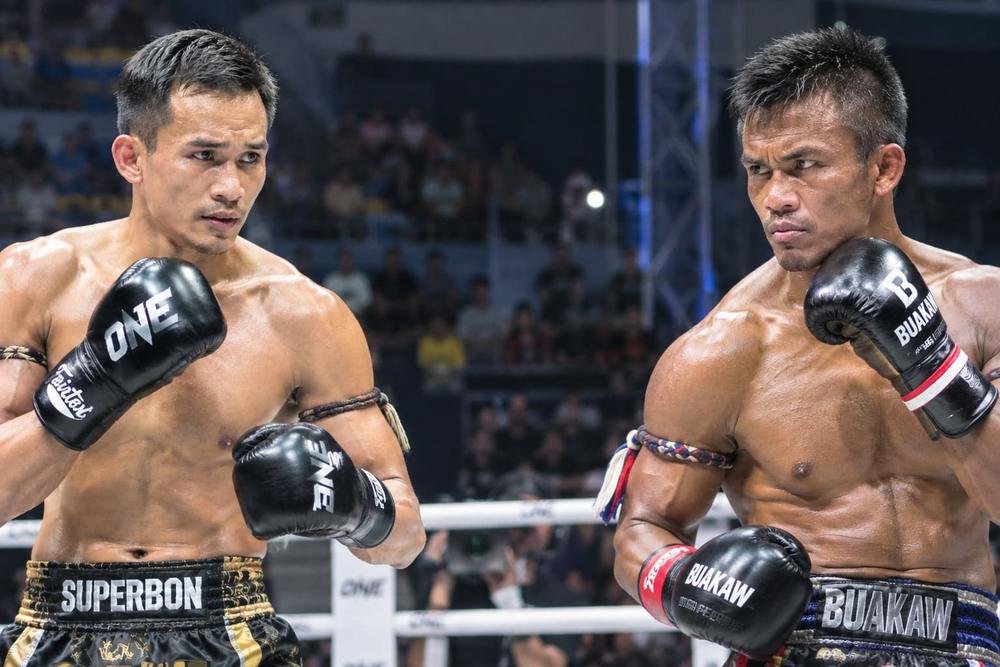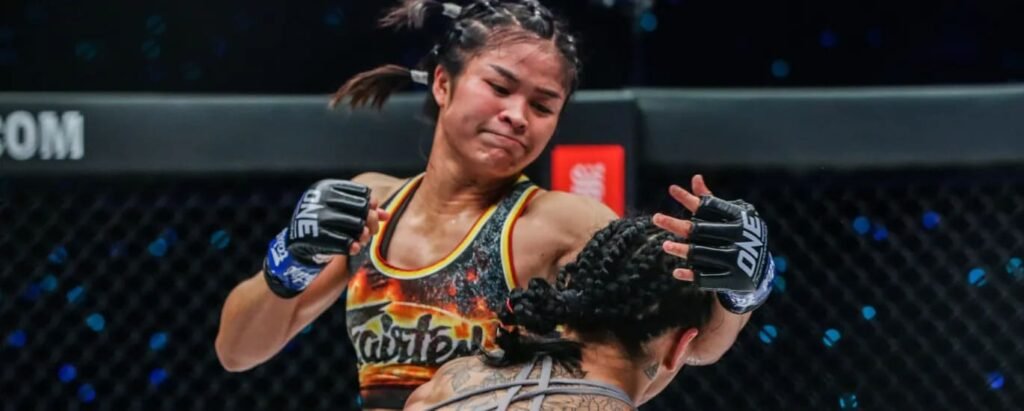


MMA is not a fighting style. It is a competition format that lets any style compete under one rule set, striking, clinching, and ground fighting all included. Muay Thai is different. It’s a specific striking discipline with its own techniques, traditions, and scoring. Comparing them head to head is a bit like asking whether a triathlon beats swimming. One is the event. The other is a skill you bring into it.
That confusion shows up constantly in searches like “is Muay Thai MMA.” It isn’t, not directly. A Muay Thai fighter who never grapples is not an MMA fighter. An MMA fighter who never studies Muay Thai is still competing in MMA, just with a thinner striking toolbox. Once that distinction is clear, the real question beginners actually care about gets easier to answer: where should a person just starting out actually put their first few months of training?
MMA Is a Format, Not a Style
Think of MMA the way you’d think of a decathlon. Nobody trains “decathlon” as if it were one skill. They train sprinting, jumping, and throwing, then combine them under a single scoring system. MMA works the same way. A cage or ring, a referee, a set of allowed techniques, and fighters who bring whatever background got them there. Some come from wrestling. Some come from boxing. A large share come from Muay Thai, because it covers so much of what a stand-up fighter needs.
This matters for beginners because “I want to train MMA” is not actually a complete sentence. It’s shorthand for “I want to train striking, takedowns, and ground control, all at once, under an MMA gym’s curriculum.” That’s a real and valid goal. It’s just a different kind of goal than “I want to get good at Muay Thai.”
What Each Actually Trains
Muay Thai teaches punches, kicks, knees, elbows, and clinch work, with the clinch treated as its own phase of the fight rather than a brief pause. Round after round, the emphasis stays on distance, timing, and hitting hard without gassing out in the third minute.
MMA gyms teach a blend. A typical session might open with striking drills borrowed heavily from Muay Thai and boxing, move into wrestling for takedowns and takedown defense, then close with time on the mat for submissions and positional control from Brazilian Jiu-Jitsu. Nothing gets the same hours that a dedicated discipline gives it, because there isn’t enough time in a week to go that deep on three or four arts at once.
Here’s a number worth knowing: watch enough professional MMA and it becomes obvious how much of the striking comes straight from Muay Thai’s playbook. Low kicks, teeps, elbows in the clinch, knees against the cage. Boxing supplies the hands and head movement, wrestling supplies the takedowns, but the leg kicks and clinch knees that show up in almost every cage fight trace directly back to a Bangkok gym, not a Western boxing tradition.
Rules and Equipment Differences
The two also look different because the rules force different equipment and different tactics.
| Feature | Muay Thai | MMA |
| Arena | Roped ring | Ring or cage, often an octagon |
| Gloves | Typically heavier, commonly 6 to 10oz | Commonly around 4oz, fingerless |
| Legal strikes | Punches, kicks, knees, elbows, clinch | Punches, kicks, knees, elbows, takedowns, ground strikes |
| Takedowns | Not scored, clinch throws sometimes seen | Fully legal, central to the sport |
| Ground fighting | None, fight is stood back up | Central skill, submissions and ground-and-pound allowed |
| Rounds | Usually 5 rounds of 3 minutes | Usually 3 or 5 rounds of 5 minutes |
The glove difference alone changes how both sports get trained. Heavier Muay Thai gloves cushion the hands and the opponent’s face somewhat, which lets fighters throw huge volumes of strikes over a training career without their hands falling apart. The thinner MMA glove exposes more knuckle and lets fighters grip for clinch work and ground control, but it also means head strikes land with less padding between the fist and the target.
The Case for Starting With Muay Thai
Depth is the biggest argument. A beginner who spends their first year purely on Muay Thai gets hundreds of reps on the same handful of strikes, over and over, until the mechanics stop being something they think about. That foundation carries into any combat sport later, MMA included.
Cost matters too, and it’s rarely discussed honestly. A Muay Thai gym membership is generally cheaper than a full MMA program, since MMA gyms often bundle striking, wrestling, and BJJ classes together and charge accordingly. Some Muay Thai gyms run on a simple monthly rate with no long contract.
Injury risk is the third piece, and it deserves a careful phrasing rather than a bold claim. Muay Thai carries its own injuries, shin bruising and jammed fingers are common early on. But it skips the acute risks that come from live grappling before a beginner has any defensive instincts, things like getting caught in a submission with no idea how to tap in time, or landing badly during an unfamiliar takedown. Building striking fundamentals first, then adding grappling once the body understands how to move, tends to spread that learning curve out more safely.
The Case for Starting With MMA
There’s a real case for going straight into MMA too. A beginner who trains everything from day one never has to unlearn habits that a single discipline can build in, like standing too upright because takedowns were never a threat in Muay Thai sparring. They get exposed early to the full picture: what it actually feels like to be struck at, shot at for a takedown, and threatened with a submission, all in the same five minutes.
The tradeoff is obvious. Splitting attention four ways from the start usually means mediocrity at each individual skill for longer. A six-month MMA beginner typically hits softer, defends takedowns worse, and rolls worse than a six-month specialist in any one of those three arts. For some people that’s an acceptable price for getting the complete picture sooner. For others, it’s frustrating enough that they quit before anything clicks.
The Classic Hybrid Path
Most successful MMA fighters didn’t start in an MMA gym. They started in one discipline, usually wrestling, boxing, or Muay Thai, spent a year or more building real skill in it, then added a second art before finally combining everything under MMA rules.
The most common version of that path for a striker looks like Muay Thai first, then Brazilian Jiu-Jitsu layered on top once striking fundamentals feel automatic, and MMA sparring introduced only after both pieces exist independently. That order isn’t an accident. It lets each new skill sit on top of a body that already knows how to move, breathe, and stay calm under pressure, rather than trying to learn all three at once while also learning how to just handle getting hit.
Beginners who want the self-defense angle specifically tend to do well starting here too, since striking distance and clinch control solve most real confrontations before a ground fight ever becomes necessary. For a related comparison, see how Muay Thai stacks up against Western boxing in a straight striking matchup.
FAQ
Is Muay Thai considered MMA? No. Muay Thai is a striking discipline with its own rules and scoring. MMA is a format that allows any style, including Muay Thai, to compete under one combined rule set that adds takedowns and ground fighting.
Can you go straight into MMA with no striking or grappling background? Yes, plenty of gyms take total beginners into MMA classes. It just usually means slower progress in each individual skill early on, compared to someone who specialized first.
How long should a beginner train Muay Thai before adding MMA? There’s no fixed number, but many gyms and coaches suggest at least six months to a year of consistent striking work before layering in wrestling, BJJ, and full MMA sparring.