
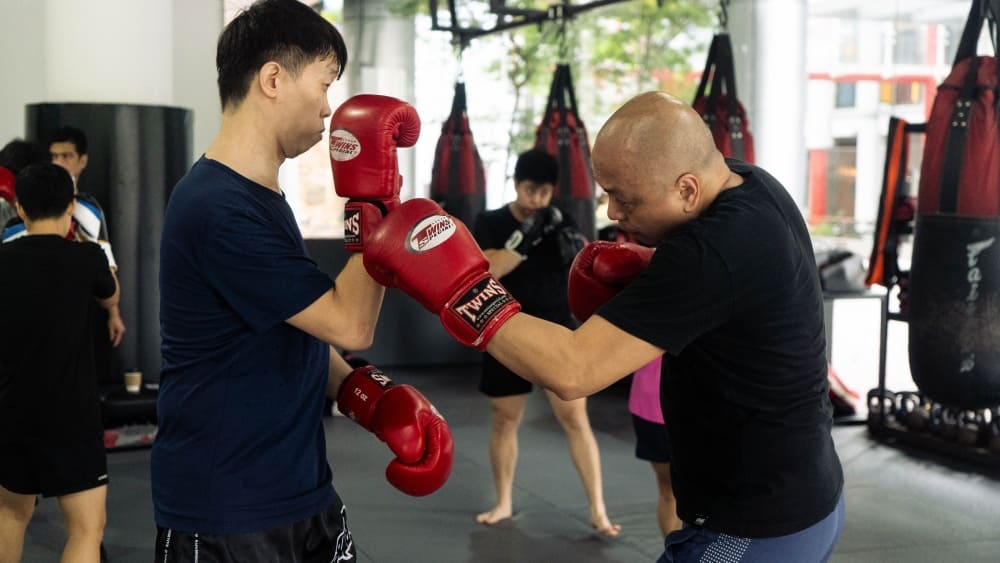
Three minutes into my first sparring round, I threw a jab that missed by a good foot, ducked at the wrong moment, and caught my own partner’s glove square on the top of my headgear. He stopped mid-combination and asked if I was okay. I nodded, gasping, sweat already stinging my eyes, and honestly could not have told you what round we were on. Every combo I’d drilled for two months evaporated. My hands felt like they belonged to someone else.
That’s the part nobody warns you about before your first sparring round. Your technique doesn’t really collapse. Your brain just leaves the building for a few minutes and forgets why it came in.
I’d been training for about three months by then, hitting pads and drilling combinations in the mirror until my shoulders burned. My coach had mentioned sparring a few times, always with that same slightly amused look, like he knew something I didn’t. When he finally told me to grab my gear and get in, my stomach dropped the way it does before a rollercoaster, except this one comes with the possibility of someone hitting you in the face.
When Are You Ready to Spar
Most gyms won’t let you near light sparring until the basics are wired into muscle memory, and that usually takes somewhere between two and four months of consistent training. Not because you need to be good. You need to be able to keep your hands up without thinking about it, throw a jab-cross without your coach calling out each step, and check a low kick on reflex instead of just standing there and taking it on the shin. If you’re still counting steps in your head before every combination, you’re not ready yet. That’s fine.
The real test isn’t a belt or a stripe on your shorts. It’s whether your coach trusts you not to panic and start swinging wild the moment someone hits you back. I watched two guys get added to the sparring rotation before me and felt oddly impatient about it, like I was being held back for no reason. I wasn’t ready, not even close. My guard dropped every time I threw a kick, and a real partner would have made me pay for that constantly.
What Actually Happens in Your First Round
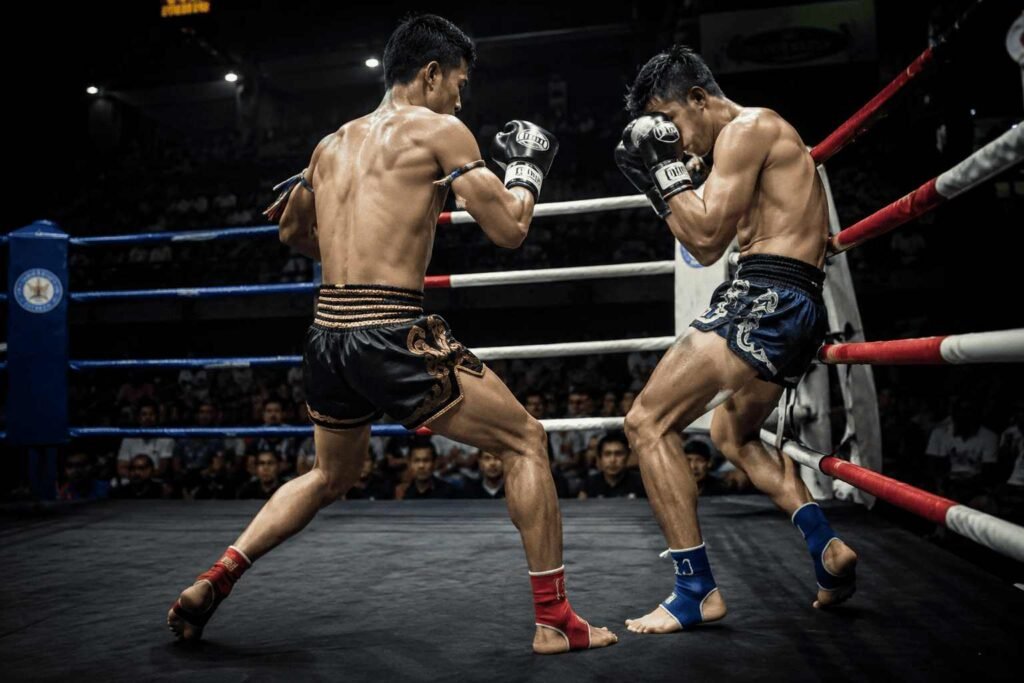
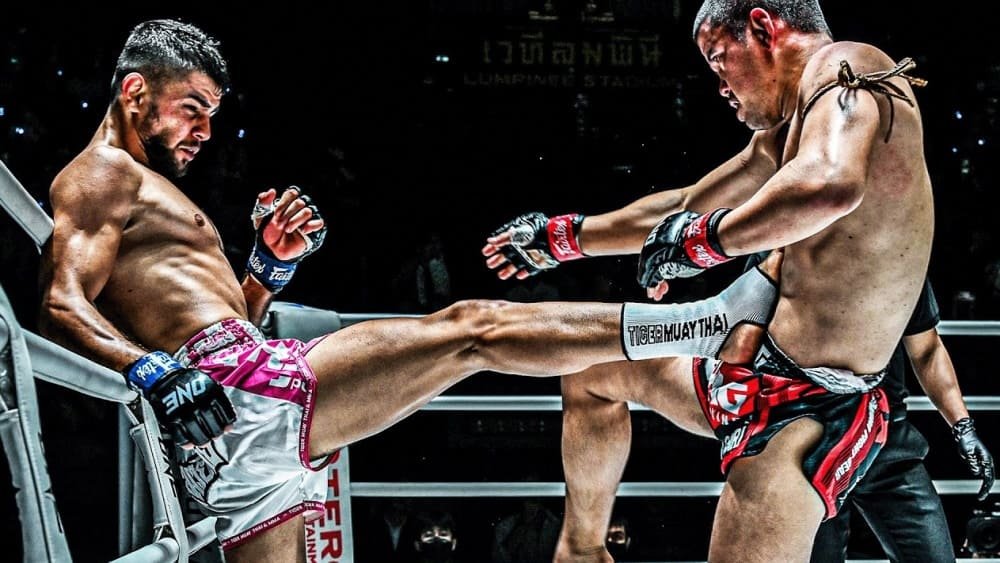
Nobody had explained to me what “light” sparring actually meant, and I don’t think words can really do it justice. My partner, a soft-spoken guy who outweighed me by maybe fifteen pounds, spent the first thirty seconds barely doing anything, just circling, throwing the occasional jab that landed with the force of a light tap. I threw back exactly what I’d drilled all week: jab, cross, low kick. It felt fantastic for about four seconds. Then he checked my kick, countered with a teep that sent me stumbling backward, and every plan I’d walked in with disappeared completely.
What surprised me most wasn’t getting hit. It was how loud my own breathing sounded, how heavy my legs felt by the second minute, and how completely I stopped thinking in words. There’s a kind of tunnel vision that kicks in, where your whole world shrinks down to the two feet of space between your gloves and the other person’s chin. I’d read about this happening to other beginners before, but knowing about it and actually feeling your own vision narrow that way are two very different things. It’s exactly where the focus you’ve been building in training gets tested for the first time.
By the third round my legs were heavy in a way that had nothing to do with fitness. It was adrenaline burning through muscle that had never needed to move that fast under actual pressure before.
The Unwritten Rules of Sparring Etiquette
Here’s what nobody writes down anywhere, and what I only picked up by nearly breaking a few of these rules myself. The senior partner sets the pace, always. If you’re newer, you match whatever intensity the more experienced person brings, not the other way around. I made the mistake early on of throwing a kick harder than the moment called for, just because it felt good to finally connect. My partner slowed down even further rather than matching me. That was the lesson, delivered without a single word.
Nobody is winning a sparring round. This one took me the longest to actually believe, because everything about competitive sports trains you to keep score in your head. But sparring isn’t a fight. It’s two people taking turns being the problem for each other, working technique against a live, moving target instead of a bag. The moment you start trying to win, you stop learning and start just trying not to lose, and that changes how you move in ways that help nobody.
Elbows stay out of sparring unless everyone in the room has agreed you’re doing padded, technical work, and even then they come out slow and controlled. Same goes for anything close to full power. And if someone taps out of a combination, taps your glove, or just steps back and resets, you stop. Instantly. No finishing the combo anyway because you were already mid-motion.
Thai-Style Play Sparring vs the Western Gym War
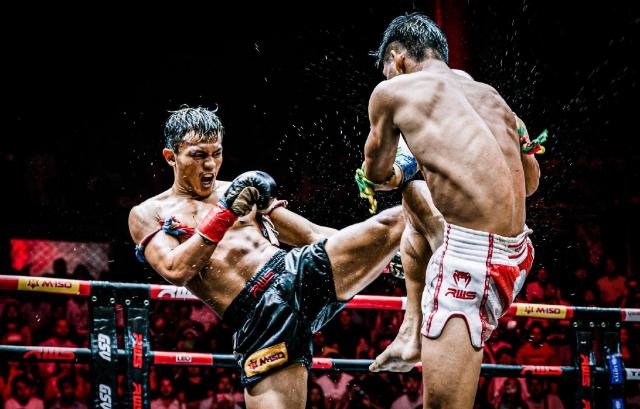
I noticed this difference within my first month of watching more experienced fighters spar, long before I ever stepped in myself. The way Thai fighters spar, at least the way I’ve seen it done by guys who trained in Thailand, looks almost playful. Loose hands, smiling between exchanges. Everything thrown at maybe thirty percent power, more like a conversation than a contest. Nobody’s trying to prove anything. The goal is sharpening timing and distance, not testing who can absorb the hardest shot.
The Western gym war is a different animal, and honestly, it’s the version most beginners picture the moment they hear the word “sparring.” Two guys going hard, egos involved, someone eventually getting hurt not because of bad technique but because the intensity crept up round after round until it stopped being training and turned into something closer to a real fight. I watched exactly one session slide into that territory as a spectator, and the gym owner shut it down within seconds of noticing.
Once I understood the Thai approach, sparring stopped being something to survive. It became something I actually looked forward to.
Gear You Actually Need
You don’t need much to start, and less is often smarter than more. Headgear is close to non-negotiable for beginners, mostly for confidence as much as protection. A mouthguard, always, even for supposedly light rounds; teeth don’t care how gentle the intent was.
Shin guards matter more than people expect walking in the door, since checking kicks with bare shins against someone else’s bare shins is how bruises turn into actual injuries early on. Sixteen-ounce gloves at minimum for sparring specifically, heavier than whatever you wear on pads. A groin cup, obviously. Some gyms want a chest guard depending on body type or age, so ask before assuming your regular training gear covers everything.
None of this needs to be expensive on day one. It needs to fit properly and actually stay where it belongs once you start moving.
What I Wish I’d Known
Looking back at that first round, most of what rattled me wasn’t really about fighting at all. It was not knowing the customs or what was expected of me, and being too embarrassed to ask beforehand. If you’ve been building the kind of discipline and focus good training demands, that same mindset carries straight into your first sparring session whether you notice it happening or not.
Here’s what actually helped me, in no particular order.
- Ask your partner beforehand what percentage power they want. Say it out loud instead of guessing.
- Breathe on purpose. I forgot to exhale for almost a full round once and gassed out because of that, not because of bad conditioning.
- Keep your hands up between exchanges, not just during them. That’s when most people get caught.
- If you get rocked or lose your bearings, step back and reset. Nobody thinks less of you for tapping out of a bad exchange.
- Watch a few experienced pairs spar before you ever get in yourself. Ten minutes of watching teaches more than an hour of being told the rules.
- Let go of needing to prove anything in round one. The only person keeping score is you.
- Talk to your partner afterward. Ask what worked and what got you hit, most people are glad to tell you both.