

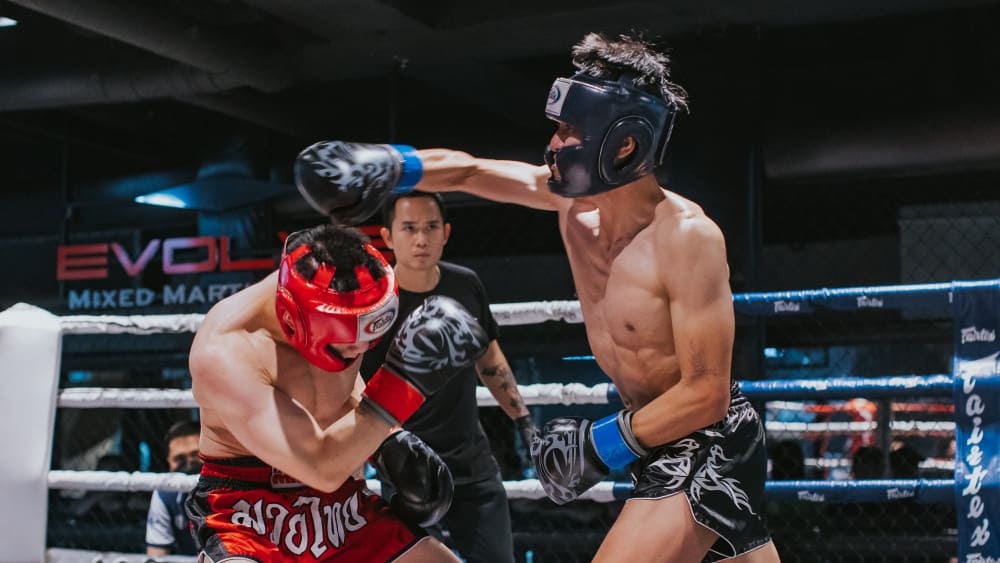
The Uncomfortable Truth About Concussions
Headgear does not stop concussions the way most fighters assume it does. That single fact surprises almost everyone who straps on a padded helmet for their first sparring session, and it deserves to be said plainly before anything else. A concussion happens when the brain moves inside the skull faster than the surrounding tissue can keep up, twisting and shearing as the head rotates. Foam padding absorbs some of the direct impact energy hitting the skull’s surface. It does very little to slow that rotational whip, because the brain is still floating in fluid inside a skull that just got cushioned, not braced.
This isn’t a fringe opinion picked up from an internet forum. It’s one of the more uncomfortable, widely-discussed points in combat sports safety circles over the past couple of decades, and it sits awkwardly next to how the gear gets marketed. Men’s Olympic boxing wore headgear for years, then dropped the requirement for bouts around the middle of the last decade. The reasoning combined two threads at the time: internal data suggesting the padding wasn’t clearly reducing concussion rates, and a separate concern that headgear made it harder for referees and judges to see clean punches land, since a gloved fist disappears into foam differently than it does against a bare head. Neither point proves headgear causes harm on its own. Together, they undercut the assumption that more padding automatically means a safer fighter.
What Headgear Actually Prevents
None of that makes headgear useless. It’s just useful for a narrower job than the packaging implies. Padded headgear does a good job at two specific things: closing off the scalp and eyebrow area from open cuts, and cushioning the nose and cheekbones against fractures. It also takes some sting out of glancing shots during high-volume sparring, which matters more than people give it credit for.
Swelling drops too. A fighter who spars four rounds bare-headed usually walks out with a puffier face and a sorer nose bridge than one wearing gear. That’s real, and it matters for someone training five days a week who can’t afford a face that hasn’t recovered before the next session. Cut-prone fighters, especially amateurs with thin skin over the brow, benefit enormously from that extra layer.
What headgear doesn’t do is meaningfully change the physics of a skull snapping sideways from a hook or a hard kick catching the guard wrong. Padding a head that’s about to rotate doesn’t stop the rotation. That’s the trade-off worth understanding before treating headgear as a full concussion shield.
When You Must Wear It
Plenty of situations settle the question outright, rules aside from physics. Amateur federations almost universally mandate headgear for sanctioned bouts, and gyms preparing fighters for an amateur card drill in gear because that’s what fight night will look like. Hard sparring is another obvious case. Two people trading real power without any padding is a bad way to run a Tuesday class, and any coach worth training under will shut that down fast.
Fresh cuts change the math immediately. A healing eyebrow, or a nose that took a bad hit two weeks ago, needs the coverage. Full stop. Coaches who let an open cut go bare in sparring are gambling with someone else’s face, and a decent gym won’t allow it no matter how tough the fighter insists they are.
Is Headgear Optional in Muay Thai?
For a lot of gym-level training, yes. Technical sparring done at low intensity, focused on timing and distance rather than landing hard, is often run bare-headed at gyms that trust their students to control output. Some coaches actually prefer it that way; fighters respect power more when they can feel exactly how much they’re throwing.
Shadow work, pad rounds, bag work: none of that needs headgear. The optional zone really lives in that middle ground of controlled sparring, where a gym’s culture decides more than any rulebook does.
Muay Thai Headgear: What Actually Matters
Boxing headgear and Muay Thai headgear are not interchangeable, and this trips up a lot of beginners who buy whatever’s cheapest online. Closed-cheek, boxing-style headgear extends coverage down over the jawline, which works fine when the only threats arrive from roughly eye level. Muay Thai fighters get kicked in the head. Low kicks aimed at the legs and knees rising through the clinch also approach from angles a boxer never has to track.
Closed-cheek padding blocks peripheral vision exactly where a low kick first enters someone’s sightline. Fighters wearing the wrong style headgear report the same complaint constantly: they don’t see kicks coming until they’re already landing. Open-face, open-cheek headgear built for kicking sports trims that padding back specifically to keep peripheral vision intact.
Look for a snug fit that doesn’t shift when the head turns hard, ear coverage that muffles without fully sealing sound (a fighter still needs to hear the corner), and a chin strap that locks down rather than just resting there. Cheap headgear that slides mid-clinch is arguably worse than no headgear at all, since it can block vision at exactly the wrong second.
Care and Hygiene
Headgear sits directly against sweat, and gyms run warm. Wipe the interior foam down with a proper antibacterial spray after every session, not just a splash of water, and let it air out fully before it goes back in a bag. Zipping damp headgear straight into gym bag darkness is how the padding starts smelling like a locker room by week three.
Wash any removable straps or liners according to the manufacturer’s instructions. Replace the headgear once the foam has visibly flattened or the outer shell has started cracking. Padding that’s lost its bounce isn’t protecting much of anything, even against the cuts and swelling it’s supposed to be good at handling.
The Real Protection Is Culture
Here’s the part that gets buried under all the gear talk: no headgear, however well designed, protects a fighter from a training partner who doesn’t know how to control power. A gym where sparring partners check ego at the door, communicate intensity before rounds start, and back off when someone’s clearly outmatched will produce fewer injuries than a gym with premium gear and a reckless sparring culture. Anyone still figuring out how sparring sessions are supposed to run, and what separates a good training partner from a dangerous one, is better served reading up on sparring etiquette than shopping for a better helmet.
The equipment is a backup plan. The room full of people deciding, round after round, not to hurt each other for no reason is the actual safety system, and no mouthguard or headgear replaces that.
FAQ
Does headgear prevent concussions in Muay Thai? Not reliably. It cushions direct impact on the skull’s surface and helps with cuts and swelling, but concussions come mostly from rotational force inside the skull, which padding barely affects. Controlling sparring intensity does far more for concussion prevention than any headgear on the market.
What’s the best type of headgear for Muay Thai specifically? Open-cheek styles built for kicking sports, rather than closed boxing headgear, since a closed cheek design blocks the peripheral vision needed to see low kicks and knees arriving from the side.
One Comment