
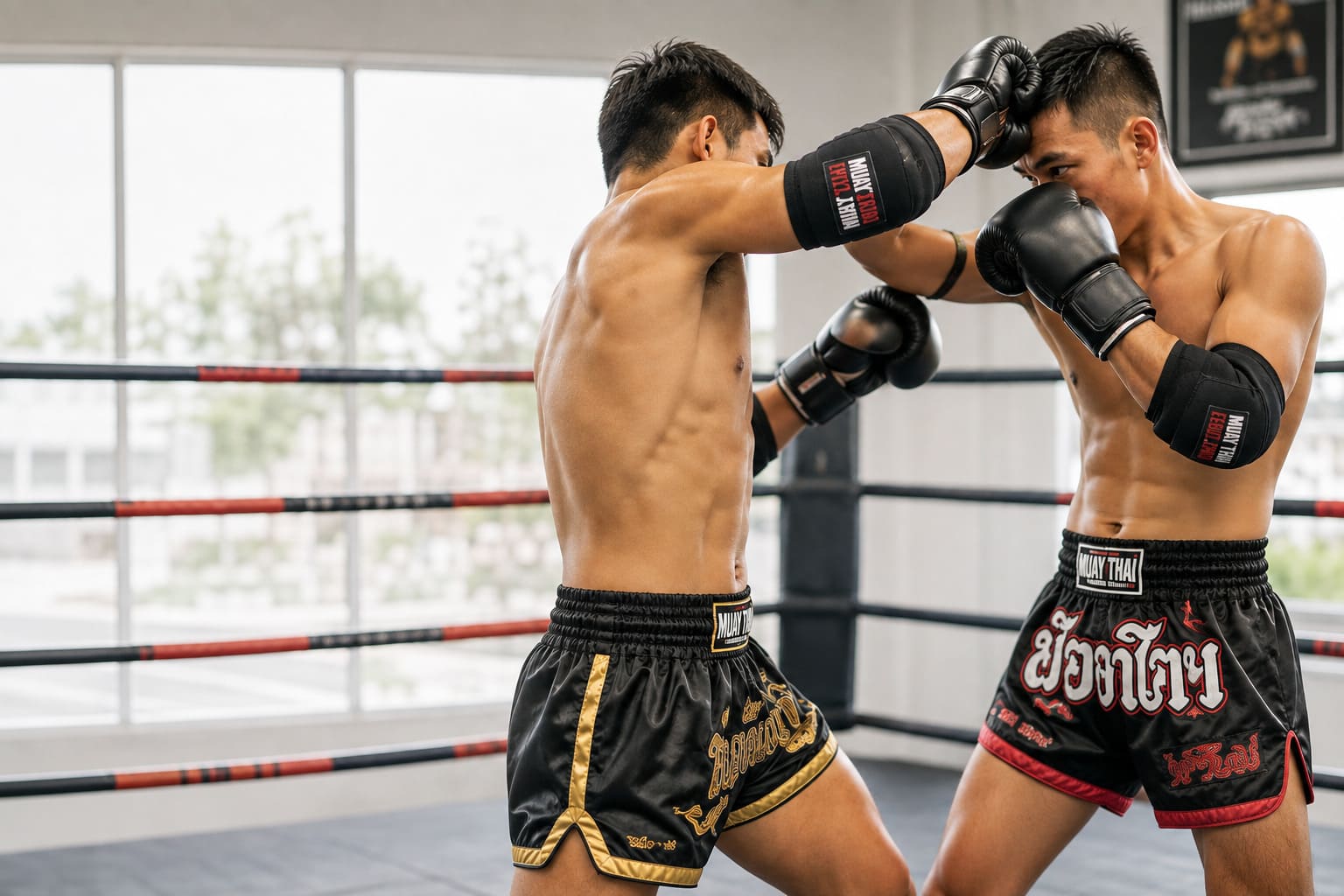
Why Elbow Pads Exist
An elbow cuts. Not sometimes, not only at full power. A bare elbow thrown at 30 percent effort can still split skin above the eyebrow or open a gash on the cheekbone. There’s no padding on the joint, no give in the surface, just bone moving fast against skin. That’s the entire reason elbow pads exist as a piece of gear.
Regular punches and kicks bruise. Elbows cut. A fighter who takes a stray elbow in normal sparring can be looking at stitches and two to three weeks off the mat, sometimes longer if the cut sits near the eye and reopens easily during the next session. Gyms that let elbows fly in daily sparring go through a lot of band-aids and a lot of missed training time. Pads exist to remove that risk when elbow work is still on the training menu.
When You Actually Need Them
Most sparring at most gyms does not need elbow pads, because most sparring bans elbows outright. But three situations call for them specifically.
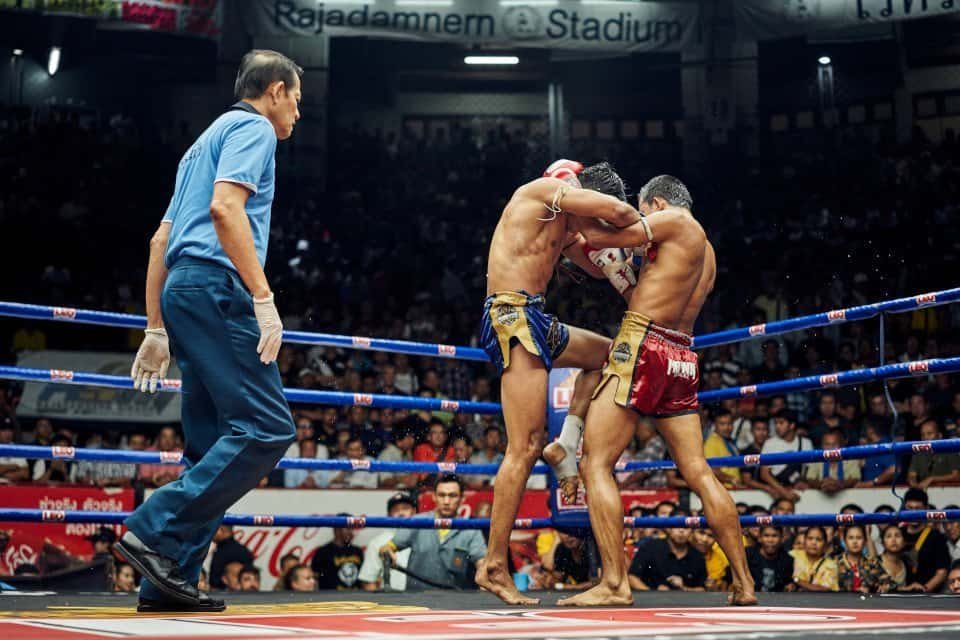
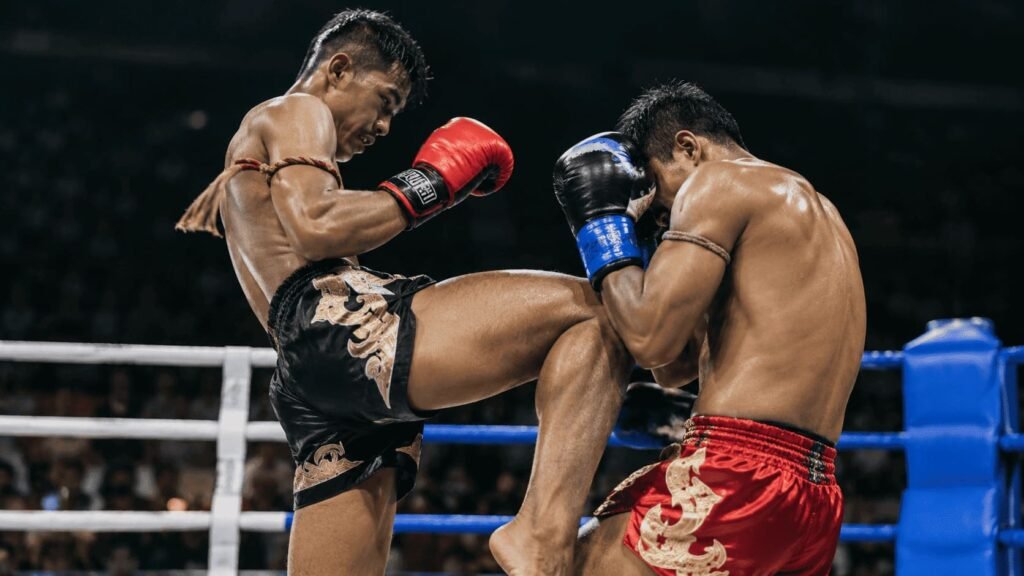
Clinch sparring is the first. Elbows show up constantly in the clinch, thrown short and tight from close range, and padding lets both fighters work that range without either one bleeding. Fight-camp elbow prep is the second. A fighter with a bout coming up needs to drill elbow entries and combinations at real speed against a moving opponent, and pads make that possible without pulling punches on technique. Technical sparring sessions built specifically around elbows, where the coach has set clear rules about control, are the third case. Outside those three contexts, pads rarely come out of the bag.
Types and Fit
Two designs cover almost everyone. Sleeve-style pads slide over the forearm and elbow like a compression sleeve, with a foam pad built into the fabric over the joint. Cup-style pads use a harder shell, closer to what you’d see on a volleyball knee pad, strapped on rather than pulled on.
Sleeves are lighter and move naturally through rotation, which matters because elbow strikes twist the forearm hard on the way in. Cup styles protect better against a heavy, repeated drilling session but can shift out of place if the strap isn’t snug.
Fit matters more than brand. A pad that slides during a rotating elbow strike is worse than no pad at all, because it can expose the joint at the exact moment of contact. Before any elbow round, check that the pad sits centered over the point of the elbow and stays there through a few practice swings.
How Thais Spar Elbows Without Injuries
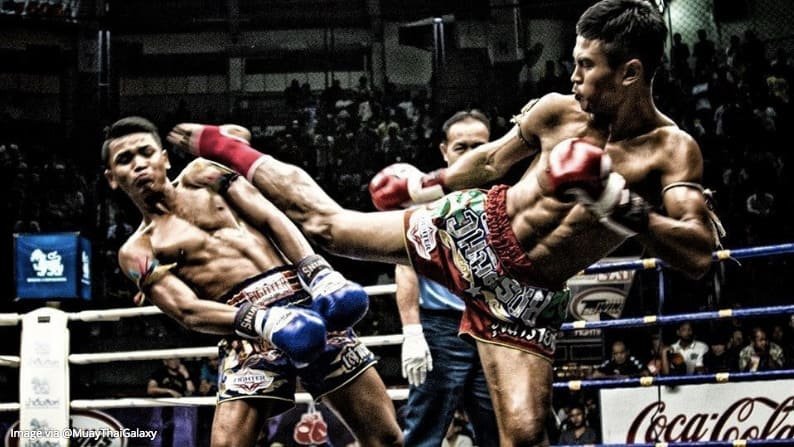
Thai fighters spar elbows every day without gloves on their elbows and without a steady stream of cuts. The method is simple: they don’t make contact. A fighter throws the elbow at full technical speed, hits the correct angle and trajectory, and pulls it a few inches short or lets it graze without weight behind it. This is often called “showing” the elbow. The technique is real. The strike is not.
This only works with two experienced training partners who trust each other’s control. A beginner paired with another beginner in an elbow round is a bad idea, pad or no pad, because neither one has the timing to pull a strike at the last inch. That’s part of why most gyms simply ban elbows in open sparring rather than trying to teach touch-control to everyone in the room. It’s not a workaround or a compromise. It’s the sensible default, and even fighters heading into a fight camp only add elbows back in gradually, usually starting in the clinch first before moving to open-range work.
Clinch sparring is where beginners usually see elbows up close for the first time, since the range is short and the coach can supervise contact directly. Anyone building that skill set benefits from spending time on clinch technique before adding elbows into the mix.
Rules: When Elbows Are Padded in Competition
Amateur Muay Thai federations in many countries require elbow pads or ban elbow strikes entirely, particularly for fighters under 18 or in lower amateur divisions. Some regional amateur circuits allow elbows only with padded elbow guards approved by the ruling body, cutting the risk of lacerations while still permitting the technique in competition. Professional Muay Thai, run under standard Thai rules, uses bare elbows with no padding at all. The line usually comes down to amateur versus professional status, and any fighter moving between federations should check the specific ruleset before a bout, since padding requirements vary from one sanctioning body to the next.