

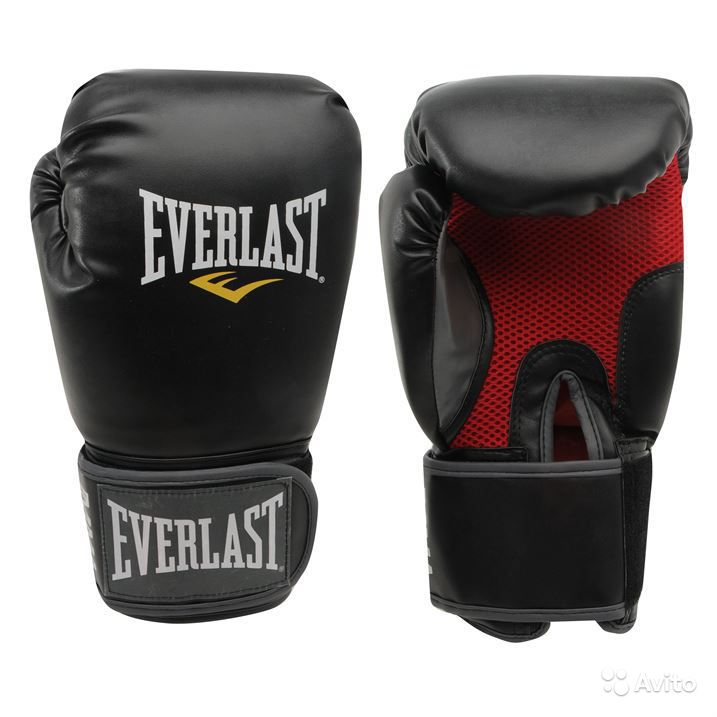
Most adults need 16oz gloves for sparring and something lighter for bags and pads. That single fact answers most of what people search for, but the exact number still shifts with bodyweight, gym rules, and what you’re doing that day.
Gloves are not one-size-fits-all gear. Oz measures padding weight, not glove size in the shoe-size sense, and more oz always means more foam between your knuckles and whatever you hit. The table below covers the four situations that matter: bag work, pad work, sparring, and competition.
Quick Answer: Oz by Weight and Use
| Bodyweight | Bag / Pad Work | Sparring | Competition |
| Under 130 lbs (59 kg) | 10oz | 14oz | 8oz |
| 130-160 lbs (59-73 kg) | 12oz | 16oz | 8-10oz |
| 160-190 lbs (73-86 kg) | 12-14oz | 16oz | 10oz |
| Over 190 lbs (86 kg+) | 14oz | 16-18oz | 10oz |
These numbers assume standard boxing-style Muay Thai gloves, not MMA gloves or bag mitts. Gym house rules override this table. If your coach says 16oz for everyone, wear 16oz.
Why Sparring Almost Always Means 16 Oz
Sparring gloves protect two people, not one. Padding absorbs shock on the way in and cushions your own hands on the way out. Most gyms set a flat 16oz minimum for anyone sparring, regardless of size, because it’s simpler to enforce than a sliding scale.
Fighters under roughly 130 lbs (60 kg) are the common exception. Lighter fighters generate less force per punch, so 14oz still gives their partners enough protection. Some gyms allow it. Others don’t bother with the exception and just keep everyone at 16oz. Ask before you show up expecting to spar in 14s.
Here’s the myth worth killing: heavier gloves do not hit harder. Power comes from technique, timing, and the mass moving behind the fist, not the glove itself. A 16oz glove actually softens your punch compared to a 10oz one, because more foam sits between your knuckles and the target. That’s the entire point. Heavier gloves protect; they don’t add power.
Bag Work and Pads Need Less Padding
A heavy bag doesn’t hit back, and neither does a coach holding pads on purpose. Less padding means you feel more of your own technique: bad wrist alignment, sloppy knuckle placement, a punch thrown a beat too early. That feedback is useful.
Most fighters train bag and pad rounds in 10-14oz gloves depending on bodyweight. Pad rounds sometimes run heavier, closer to 14-16oz, when the coach also catches hard low kicks on the arms. Bag work skews lighter across the board.
What Oz Do Competition Gloves Use?
Fight night gloves are lighter than sparring gloves. Across most sanctioning bodies, competition gloves typically run 8 to 10oz. The lower end shows up more at lighter weight classes, the higher end at heavier ones. Some organizations set the number by division; others use a flat standard for the whole card.
Check your specific promotion’s rulebook before fight week. Numbers shift by weight class and by country, and showing up with the wrong pair means scrambling for a loaner an hour before you weigh in.
The One-Pair Recommendation
If you’re buying your first pair and don’t want to own three, get 12oz or 14oz. That range covers bag work, pad rounds, and light technical sparring in gyms that allow it. It’s the closest thing to a universal glove.
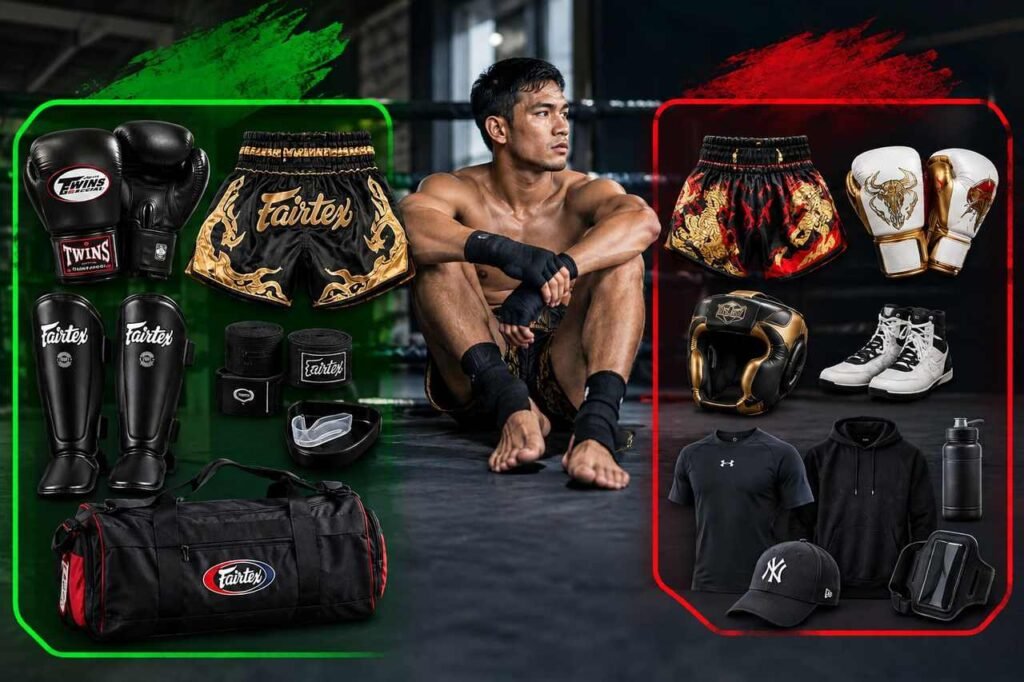
Buy a second, heavier pair once you start sparring regularly. A 16oz pair becomes non-negotiable at that point, and most serious trainees end up owning both within a few months anyway. Round out the bag with the smaller stuff first, a mouthguard included, since proper mouthguard fit matters just as much as glove size once contact starts.
Skip anything under 10oz for adults unless a coach specifically asks for it during a drill. Novelty-thin gloves show up cheap online and look like a bargain. They aren’t built for real training volume.
Kids Sizes
Kids don’t scale down from the adult chart by weight alone. Hand size matters more at that age, and a glove that’s technically the “right” oz for a child’s weight can still be too big to close a fist properly.
| Age / Weight | Recommended Oz |
| Under 60 lbs (27 kg) | 4-6oz |
| 60-90 lbs (27-41 kg) | 6-8oz |
| 90-120 lbs (41-54 kg) | 8-10oz |
| Teens over 120 lbs (54 kg) | 10-12oz, moving toward adult sizing |
Fit the hand first, then check the oz label against the chart. A glove that closes properly but reads slightly under the “correct” oz beats one that’s technically right but too loose to make a fist inside.

One Comment