You’re standing in front of your closet, holding up shirt after shirt, wondering if any of it counts as “real” gym clothes. Maybe your first class is in an hour and you have no idea what’s actually required. Here’s the short version: you already own everything you need for day one. Nothing on this list requires a trip to the store first.
Day One: What You Already Own Works
Grab a pair of athletic shorts, the kind without pockets, and a plain t-shirt. That’s really it. Pockets get in the way when you’re throwing knees and kicks, and they can snag a finger or a toe during pad work, so leave the cargo shorts and jeans at home. A loose t-shirt or a tank top both work fine.
You’ll train barefoot. Muay Thai gyms don’t wear shoes on the mats, ever, so don’t worry about finding “the right sneakers.” Socks are optional and honestly a little risky, since they can make the floor slippery under your feet.
Skip the jewelry too. Rings, watches, dangling earrings, all of it comes off before you step onto the mats. A coach will probably remind you anyway, but you’ll look like you already know the drill if you’ve thought of it first.
What the Gym Provides
Most gyms keep a stash of loaner gloves by the front desk for exactly this situation: first-timers who haven’t bought their own yet. Ask at the counter when you check in. Some places rent hand wraps too, though plenty of gyms expect you to buy your own wraps early since they’re cheap and personal. Nobody wants to share sweaty wraps, understandably.
Shin guards are trickier. Smaller gyms sometimes have a communal pair, but don’t count on it. If your first class involves any light pad work with shins, ask your coach beforehand what they’d suggest for a beginner with no gear yet. Most instructors have seen a hundred nervous first-timers and will just tell you what to do.
Your First Gear Purchases, in Order
Once you’ve been a few times and know you’re sticking with it, buy in this order:
| Order | Gear | Rough budget |
| 1 | Gloves (10-14 oz) | $30-$60 |
| 2 | Muay Thai shorts | $20-$40 |
| 3 | Shin guards | $40-$80 |
Gloves come first because you’ll use them every single class, for pads, bag work, and eventually sparring. Shorts come next, partly for comfort and partly because most people want to look like they belong once the nerves wear off. Shin guards last. You generally won’t need them until your coach clears you for contact drills, so there’s no rush to buy a pair in week one.
Total cost for all three lands somewhere around $90 to $180 depending on brand, and you don’t need top-of-the-line gear as a beginner. A mid-range pair of gloves from a decent brand will outlast your entire first year.
Why Are Muay Thai Shorts So Short?
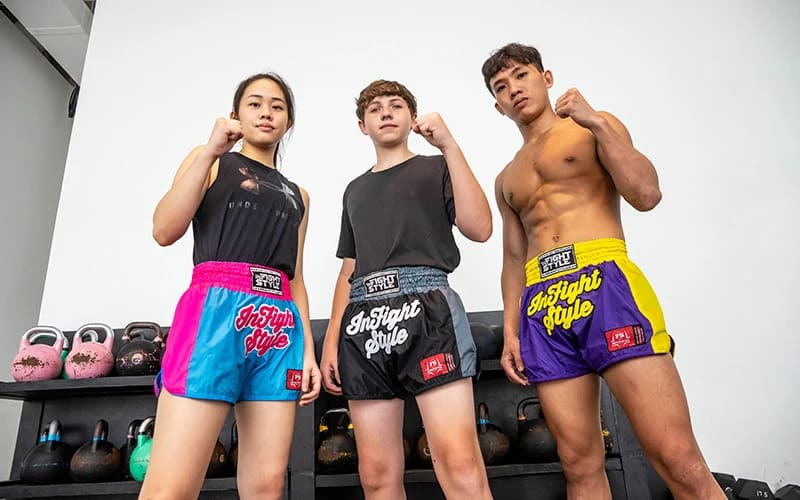
Here’s the part almost every beginner wonders about quietly, usually a few weeks in, once they’ve stopped worrying about bigger things. Why are the shorts so short and so wide?
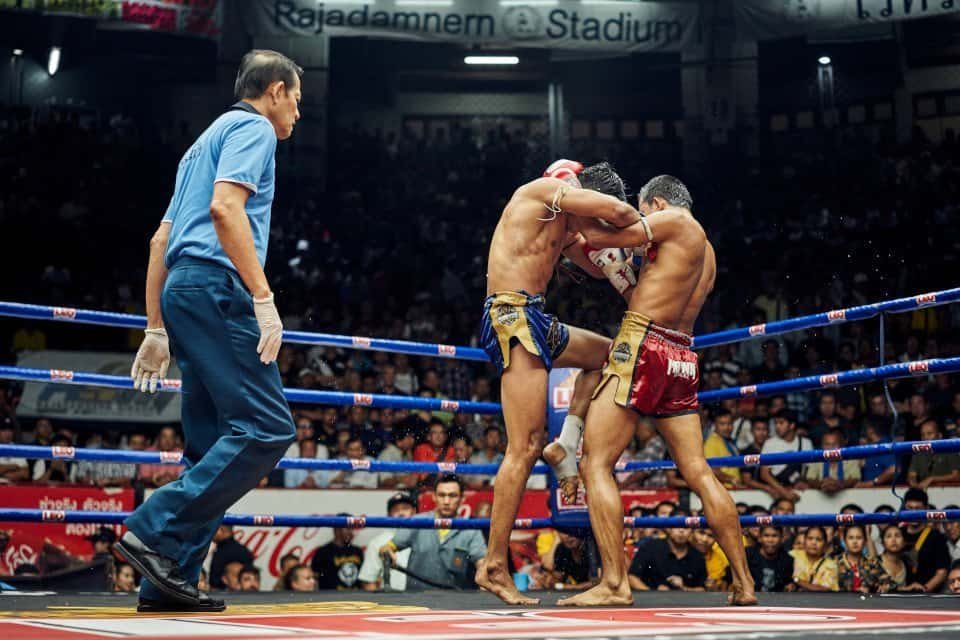
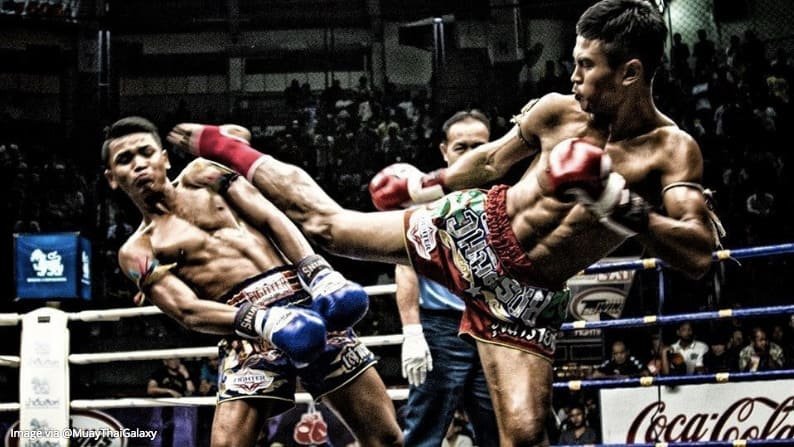
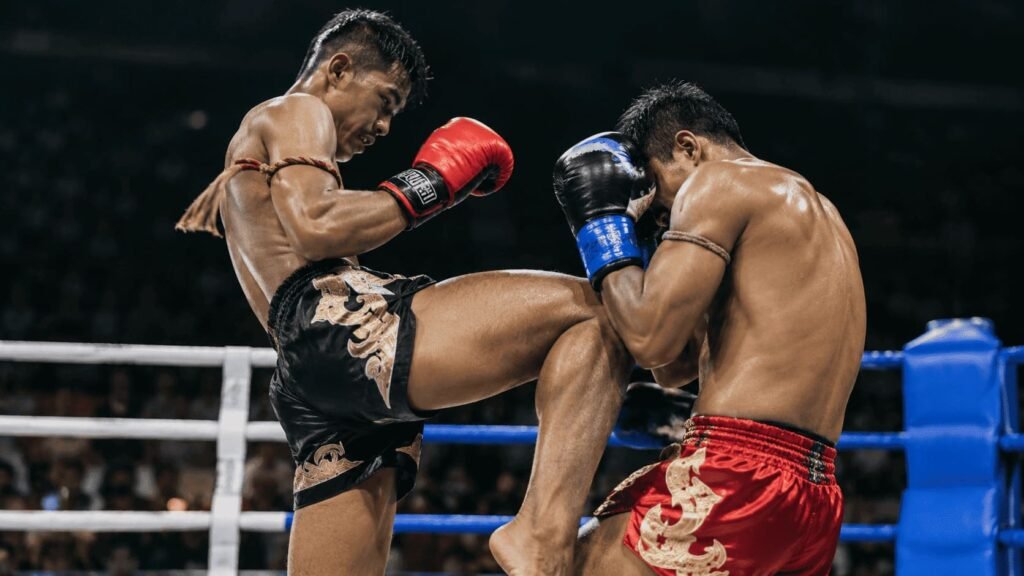
Two reasons, really. The first is pure function. Muay Thai throws knees, roundhouse kicks, and clinch work that need your hips and thighs to move freely, with nothing bunching up or catching mid-motion. Longer shorts, or anything snug at the knee, would bind up during a high kick. The wide cut also lets air move, which matters a great deal in Thailand’s climate, where the sport was born and where fighters still train in brutal heat today.
The second reason is tradition. Thai boxing shorts have looked roughly the same for generations, and the style stuck the way most sports uniforms stick: through decades of fighters simply wearing what worked. The bright colors and satin sheen came later, borrowed from the flashier presentation of professional stadium fights.
What Goes On Underneath
What you wear under your Muay Thai shorts matters more than you’d think. Compression shorts are the standard answer, and most people wear them from day one. They keep things in place, wick sweat, and stop the looser outer shorts from riding up mid-kick.
Once you start sparring, add a cup. This isn’t optional and it isn’t awkward. Every gym expects it, and most coaches will ask directly whether you have one before letting you spar for the first time. Women often wear a pelvic protector instead, so it’s worth asking your gym which type they recommend.
Gym Etiquette Basics
A few unwritten rules will make you look like less of a beginner than you feel. Shoes stay off the mats, always, no exceptions, even to walk across for a water break. Trim your nails, fingers and toes both, before class. Long nails scratch during clinch work and pad holding, and nobody enjoys finding that out mid-round.
Hygiene matters more here than in most gyms you’ve been to. You’ll be close to other people constantly, hands on gloves, faces near shoulders, so wash your gear regularly and shower before class if you can manage it. A mouthguard is worth having early too, even before you’re sparring, since some gyms fold light contact drills into the first few classes.
Bow toward the ring or the mats when you step on and off. Small gesture, but it’s part of the culture, and it’s worth getting right from class one.
If you’re curious what to wear when you’re heading to watch a live fight instead of training yourself, that’s a completely different set of rules. Ringside events run warmer, you sit for hours, and none of this gear applies. We cover that separately in what to wear to a Muay Thai event.
FAQ
Do I need gloves for my first class? No. Most gyms have loaner gloves at the front desk specifically for newcomers. Buy your own once you know you’re coming back.
Can I wear running shoes to Muay Thai class? No. Training happens barefoot on the mats. Bring sandals or flip-flops just to walk to and from the changing room.
How should Muay Thai shorts fit? Loose through the hips and thighs, short enough to sit well above the knee. If you can throw a high kick without feeling any pull or restriction, the fit is right.