“Best martial art” is a bar argument, not a real question. Ask ten instructors and you’ll get ten different rankings, mostly built on whatever they teach. So before answering it, it helps to say plainly: the question is broken. There is no universal scoreboard where BJJ, boxing, judo, Krav Maga, and Muay Thai compete on the same rules and someone gets crowned.
That said, we run a site called ThaiBoxingPros, and dodging the question would be a cop-out. So here’s the honest version. Muay Thai is the best answer to a narrower, more useful question: which single system should an adult pick as their first martial art if they want one complete way to fight standing up? On that question, we think the case is strong. On the bigger question, no.
Where Muay Thai Is Genuinely #1
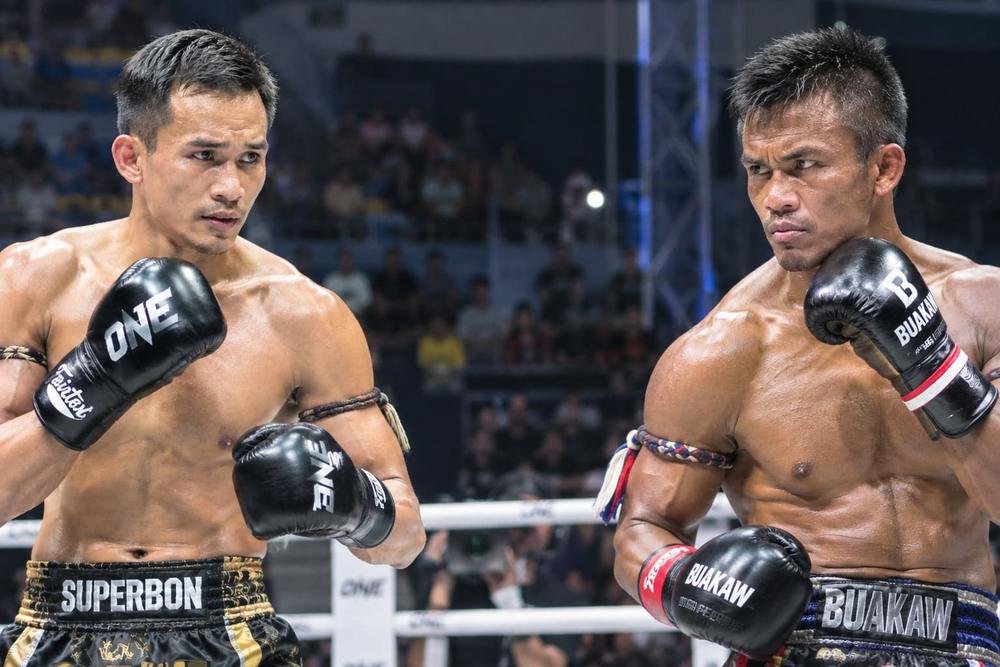
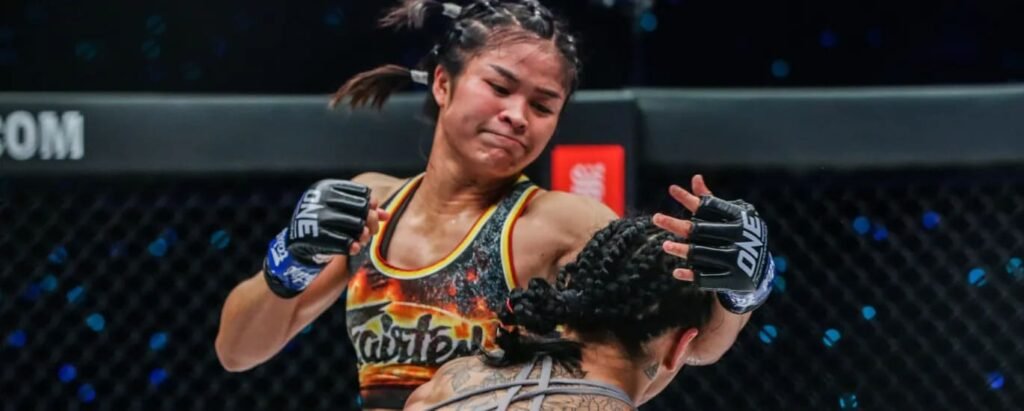
Start with range. Muay Thai is the only widely taught system that trains every distance of standing combat as one integrated skill: punches at boxing range, kicks at kicking range, knees closing the gap, elbows in tight, and the clinch tying all of it together. Karate covers punches and kicks but mostly skips the clinch. Boxing owns the hands but nothing below the waist. Muay Thai doesn’t split standup fighting into departments. It treats the whole body as the weapon, which is literally what “the art of eight limbs” means.
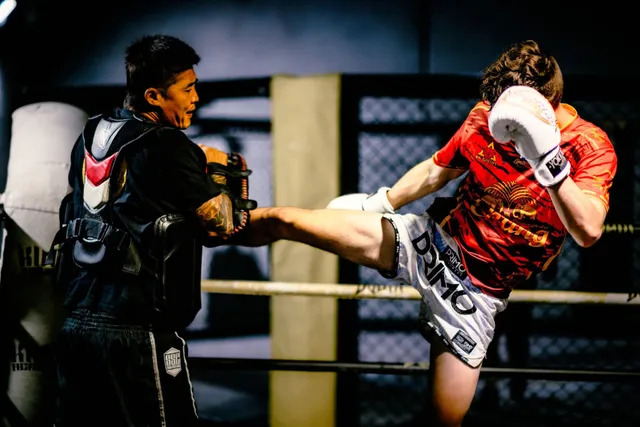
Second point: it gets pressure-tested constantly. Good Muay Thai gyms spar hard and often, with real contact, real fatigue, and real feedback about what actually works when someone is trying to hit you back. Plenty of traditional martial arts train almost entirely through forms, choreographed drills, or point-sparring where contact is light and rules narrow what counts. That’s not a knock on those arts. It’s just a different kind of training, and live sparring builds a different, more reliable kind of confidence.
Third: beginners see results fast. A new student can throw a passable teep, jab, and roundhouse kick within a few weeks and actually use them in light sparring soon after. Compare that to the technical ceiling in BJJ, where getting comfortable enough to escape a bad position from someone who outweighs you can take a year or more of frustrating losses. Muay Thai’s learning curve is steep at the start but not cruel.
Where It Loses
Here’s where the honesty part comes in, because pretending Muay Thai has no weaknesses would be exactly the kind of blind fandom this article is trying to avoid.
On the ground, it loses badly. Muay Thai has no ground game to speak of. Once a fight goes to the floor, whatever a fighter knows about the clinch and takedown defense mostly stops mattering, and a real grappler with even modest BJJ training will control the exchange. This is BJJ’s territory, full stop, and no amount of Muay Thai conditioning changes that math.
For weapons and multiple-attacker scenarios, Krav Maga was built for exactly that problem and Muay Thai wasn’t. Krav Maga drills disarms, awareness, and the ugly reality of facing more than one opponent at once. Muay Thai assumes a single opponent, gloves or bare knuckles, standing, one on one. That assumption is fine for a ring and shaky on a street with a knife involved.
And for young kids or an Olympic medal path, judo and amateur boxing simply have more infrastructure. Judo has decades of youth programs built around safe throws and structured belt progression. Boxing has an Olympic pipeline going back a century. Muay Thai’s international federation got Olympic recognition only recently, and its youth-coaching ecosystem outside Thailand is still catching up.
The Goal Matrix
Instead of forcing one answer onto every reader, it’s more useful to match the goal to the art.
| Your Goal | Best-Fit Art |
| One complete standup fighting system | Muay Thai |
| Ground control and submissions | Brazilian Jiu-Jitsu |
| Weapons awareness, multiple attackers | Krav Maga |
| Olympic competition pathway | Judo or Amateur Boxing |
| First martial art for a young child | Judo or Taekwondo |
| Well-rounded MMA competition base | Muay Thai plus BJJ |
| Fitness, stress relief, general toughness | Muay Thai or Boxing |
Nobody has to pick just one. Most serious martial artists eventually train more than one system anyway, and this site has covered several of those direct comparisons in detail elsewhere.
What MMA Data Suggests
Look at the striking backgrounds behind modern MMA’s top strikers and a pattern shows up quickly: a large share of the fighters known for dangerous standup have Muay Thai somewhere in their history, often as the base they built everything else on top of. That’s not proof Muay Thai beats every other striking art in a vacuum. Fighting is decided by the individual, the matchup, the weight class, a hundred variables no single training background can control for.
But it’s not nothing either. When a discipline shows up over and over in the backgrounds of fighters whose hands, kicks, and clinch work get singled out as elite, that’s a pattern worth noticing. MMA is the closest thing combat sports has to a live experiment across styles, and Muay Thai keeps testing well in it.
Our Verdict
We’re not going to call Muay Thai the greatest martial art in human history. That claim doesn’t survive five minutes of honest scrutiny once weapons, multiple attackers, or ground fighting enter the conversation.
What we will say, with real conviction: if an adult walks into a gym today wanting a single system that covers punches, kicks, knees, elbows, and clinch work, gets pressure-tested through live sparring from week one, and rewards effort with visible progress fast, Muay Thai is the correct first choice. Not the only martial art worth knowing. The best place to start.
FAQ
Is Muay Thai better than boxing for self-defense? For pure standup range it adds more tools since it includes kicks, knees, and clinch work on top of hands. Boxing still has an edge in pure hand speed and head movement, but for a broader standup self-defense toolkit, Muay Thai covers more ground.
Does Muay Thai work without any ground training? It works well for a fight that stays standing, which describes most street altercations before they go further. It offers nothing once a fight hits the ground, which is why many Muay Thai practitioners eventually add some BJJ.
What’s the fastest martial art to see progress in? Muay Thai is one of the quickest for visible progress. Basic strikes become usable in light sparring within weeks, though real skill, like everything worth having, still takes years.