

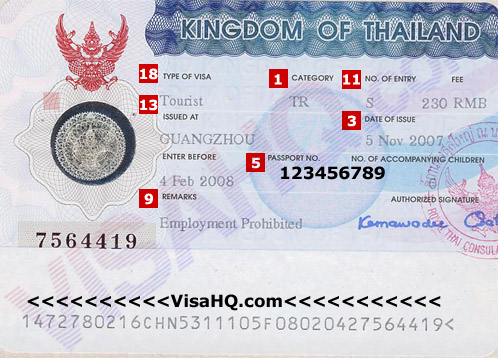
Anyone who has spent two weeks training at a Thai gym and felt the itch to stay for six months, or a year, eventually runs into the same wall: Thai immigration law. Training Muay Thai in Thailand long-term is not a casino wager on hoping a border officer waves you through. It is a paperwork problem with real solutions, and the solutions have shifted meaningfully in the past couple of years. A visa category called the Destination Thailand Visa, or DTV, opened a longer-stay path that did not exist before, while the older Education visa route through registered Muay Thai schools still exists but carries a documented history of scrutiny.
None of what follows should be read as legal advice. Thai visa policy changes often, sometimes with little warning, and requirements can differ by nationality and by which Thai embassy or consulate processes the application. This article lays out the general shape of the options as they are commonly reported, so a fighter can walk into an embassy appointment or a visa agent’s office already knowing the right questions to ask.
Your Visa Options as a Nak Muay
Three broad pathways cover most long-term training scenarios. Each trades off differently on duration, cost, and paperwork burden.
| Visa Type | Typical Length | Best For | Key Requirement |
| Visa Exempt / Tourist Entry | Around 60 days, often extendable once at an immigration office | Short training camps, testing out a gym before committing | Valid passport, onward travel proof, varies by nationality |
| DTV (Destination Thailand Visa) | Multi-year validity, with each entry allowing an extended stay of several months | Serious long-term trainees who plan multiple entries over a year or more | Proof of funds, supporting documentation tied to the activity (such as a letter from a gym or event) |
| ED Visa (Education) | Typically renewable in roughly 90-day blocks through a registered school | Trainees who want continuous single-entry residence tied to one gym or program | Enrollment at a Ministry of Education-registered Muay Thai school, tuition payment, attendance records |
The table above is a starting point, not a substitute for checking the current rules. A fighter’s home country, their bank statements, and the specific Thai embassy handling the file all affect what actually gets approved.
The DTV: What It Generally Requires
The DTV was introduced as a flexible category meant to cover a wide range of activities, and Muay Thai training has been reported by embassies, visa agents, and gyms as one of the accepted uses. That is the headline appeal. Instead of the old cycle of flying out every 60 or 90 days to renew a tourist stamp, a DTV holder can generally remain for an extended period per entry and reuse the visa across its multi-year validity.
What makes it different from a tourist visa is the documentation trail. Applicants are generally expected to show they intend to actually train, not just vacation with a gym membership as an afterthought. A letter from a registered Muay Thai camp confirming enrollment or an upcoming program is the most commonly cited supporting document. Some applicants have also included fight promotion invitations or training retreat bookings, depending on what the embassy in their jurisdiction is asking for that season.
Processing has been described as faster than the ED route in many reported cases, partly because it does not route through a school’s education-visa bureaucracy. That said, “faster” is relative. Applicants should expect the process to take real time, not same-day approval.
Financial and Supporting Documentation
Every long-stay Thai visa route leans on proof of funds in some form. For the DTV, this generally means bank statements showing a reasonable balance held for a period of time before the application, though the exact figure commonly cited varies depending on the source and can change. Applicants should treat any number they read online as a rough benchmark rather than a locked-in threshold, and confirm the current figure directly with the embassy processing their file.
Beyond money in the bank, a gym confirmation letter carries real weight. It should typically include the applicant’s name, the training program or duration, and the gym’s registration details. A generic tourist-facing gym flyer will not do the job the way a proper letter on official letterhead does.
Health insurance is sometimes requested and sometimes not, depending on the embassy and the specific visa sub-category. It rarely hurts to have coverage arranged in advance anyway. Six days a week of training for months straight produces the occasional cut, sprain, or rib bruise, and that is worth insuring against regardless of what immigration happens to ask for on any given week.
The Older ED Visa Route
Before the DTV existed, the Education visa was the default path for anyone wanting to stay in Thailand long-term to train. It still works, and plenty of camps run formal ED visa programs today. The mechanism: a trainee enrolls at a Muay Thai school registered with Thailand’s Ministry of Education, pays tuition, and the school sponsors the visa application on the trainee’s behalf.
The catch, and it is a real one, is that Thai immigration authorities have publicly raised concerns over the years about so-called visa mill schools. These are institutions that exist mostly to sell paperwork rather than deliver serious instruction, and Thai authorities have periodically tightened scrutiny on ED visa holders as a result, including spot checks on actual class attendance. A trainee whose “school” cannot produce real enrollment records, real curriculum, or real attendance logs risks a visa that gets flagged or denied on renewal.
This does not mean the ED route is unsafe or obsolete. Legitimate camps with a genuine education visa program, proper registration, and honest attendance tracking still process these successfully. It means the due diligence sits on the trainee’s side. Before paying anything, ask the gym directly for its Ministry of Education registration number and ask to see documentation from a previous successful applicant if the camp will share it.
Costs and Timelines
Costs vary enough by nationality, embassy, and whether an agent is used that specific dollar figures printed here would be misleading. In broad terms, tourist visa extensions tend to be the cheapest option, DTV application fees sit in a mid-range bracket reported across multiple sources, and ED visa costs run higher once tuition to the sponsoring school is factored in on top of the visa fee itself.
Timelines follow a similar pattern. A tourist visa extension can often be handled in a single visit to a local immigration office. DTV processing has generally been reported as taking anywhere from several days to a few weeks depending on the embassy’s current backlog. ED visa applications, because they route through a school’s paperwork and sometimes require an in-person interview, tend to take longer to finalize, and renewals every few months add ongoing administrative overhead that a multi-year DTV avoids.
Anyone planning a training trip around a fixed departure date should build in a buffer. Visa offices get busier during certain seasons, and a rejected first attempt with no time left to reapply can wreck months of planning.
What Actually Gets Applications Rejected?
Most rejections trace back to a handful of recurring issues rather than anything exotic. Incomplete or inconsistent financial documentation is probably the single biggest one, bank statements that don’t match the stated purpose of the trip, or account balances that appear right before the application and vanish right after.
A second common issue is a supporting letter that doesn’t hold up. Vague gym letters, letters from unregistered facilities, or documents that don’t match the applicant’s actual travel dates all raise red flags. Immigration officers who process these applications daily notice mismatches fast.
Prior overstays or a messy immigration history in Thailand can also sink an application that would otherwise look fine on paper. Nak muay who have previously pushed a tourist visa past its expiration, even briefly, sometimes find that history follows them into a DTV or ED application later. Fixing any past issues before applying is the safer move. Hoping immigration doesn’t notice rarely works out.
Anyone building out a full itinerary around a long stay, gym selection, budget, and gear list included, will find the Ultimate Muay Thai Travel Handbook useful as a broader planning reference alongside the visa research. It’s also worth pairing visa planning with realistic expectations about the training itself. The beginner’s guide to Muay Thai training covers what a six-month camp schedule actually demands of a newcomer’s body, which matters as much as the paperwork.
A Note on Changing Rules
Everything above reflects how these visa categories have generally been described and reported at the time of writing. Thai immigration policy is not static. Requirements, fees, processing times, and even which activities qualify under the DTV have changed before and will likely change again. Rules can also differ meaningfully depending on an applicant’s nationality and which specific Thai embassy or consulate handles the case.
None of this article should be treated as legal or immigration advice. Before booking flights, paying a gym’s ED visa program fee, or submitting a DTV application, verify the current requirements directly with the Royal Thai Embassy or Consulate serving your country, or with Thailand’s Immigration Bureau. A phone call or an official embassy website check, done a few weeks before applying, is the cheapest insurance a long-term training trip can buy.



One Comment