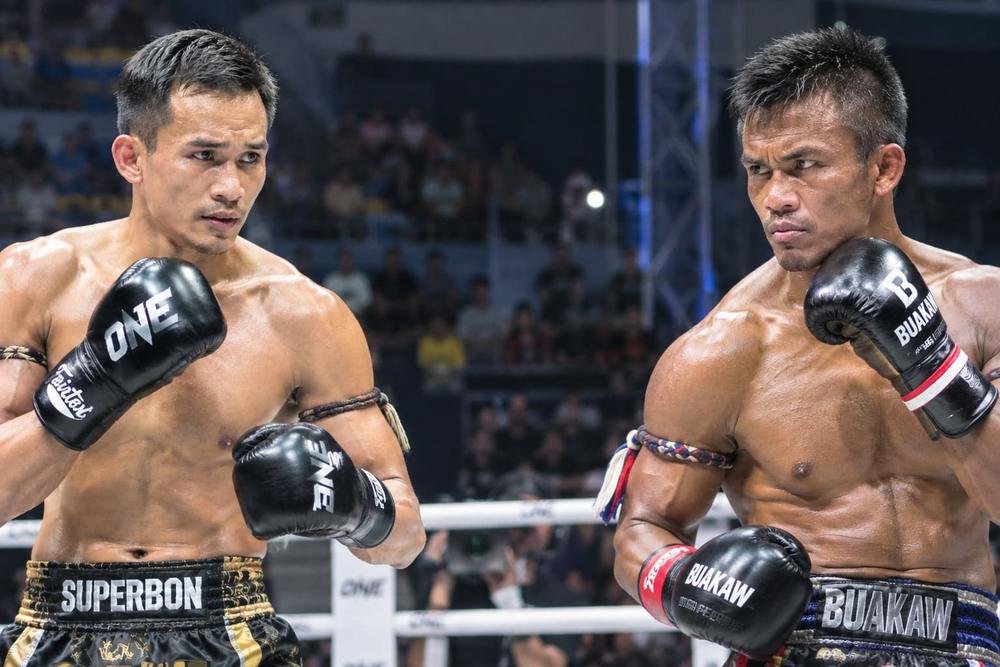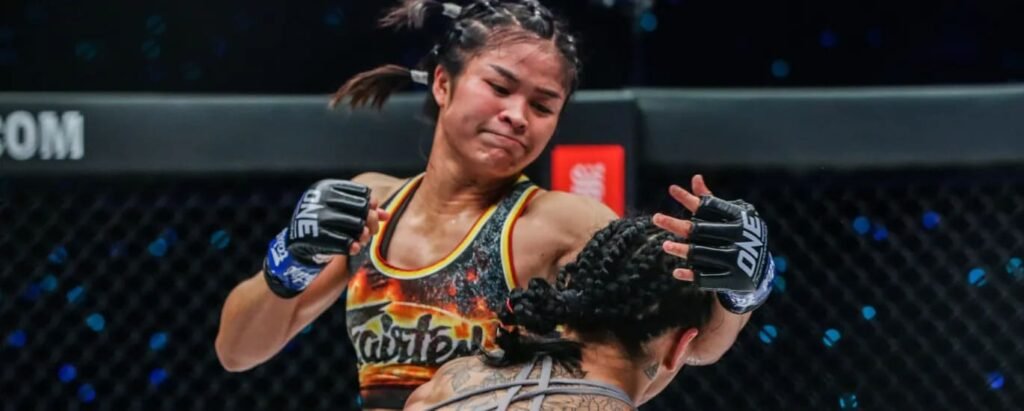
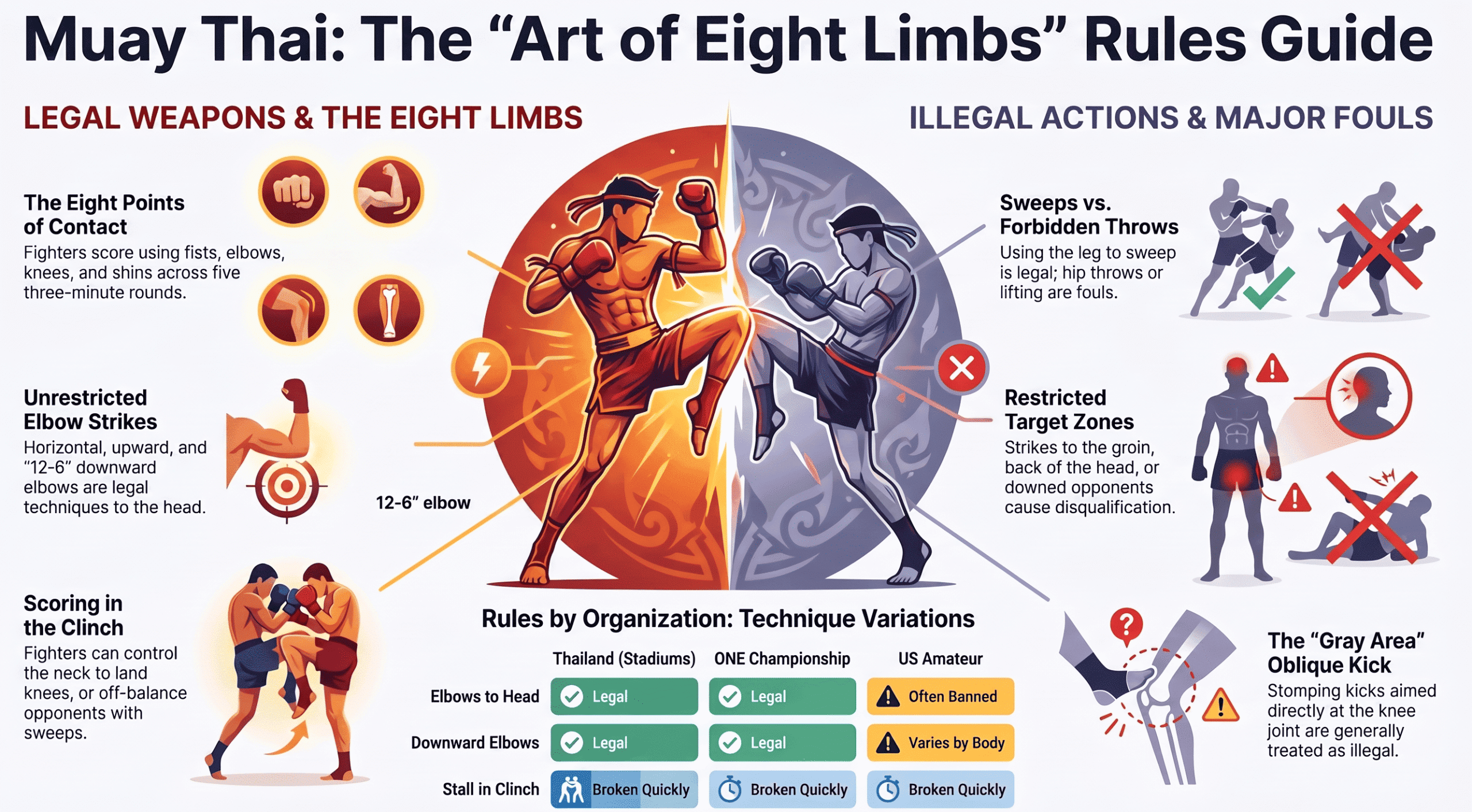
Muay Thai allows eight points of contact: two fists, two elbows, two knees, and two shins. Boxing allows two. That gap explains most of what confuses a newcomer watching their first fight or stepping onto the mats for the first time.
The sport looks brutal from ringside, but it runs on a strict rulebook. Referees stop action constantly, fighters get warned for things that look harmless, and techniques that are legal in MMA can get a Muay Thai fighter disqualified. This guide breaks down what’s allowed, what isn’t, and where the rules change depending on which organization is running the show.
Core Rules Overview
A Muay Thai bout is fought over five three-minute rounds, or shorter rounds in some amateur formats, and scored under the ten-point must system judges use to rank a fighter’s ring control, effective strikes, and dominance in the clinch. Wins come by knockout, technical knockout, judges’ decision, or referee stoppage.
Fighters can strike with fists, elbows, knees, and shins. They can clinch, off-balance an opponent, and sweep them to the canvas using their own leg. What they cannot do is grab and throw an opponent the way a wrestler or judoka would, strike the groin, or attack a downed fighter.
The table below gives the fast version. The sections after it explain the reasoning zone by zone.
| Strike Zone | Legal | Illegal |
| Hands | Straight punches, hooks, uppercuts, spinning backfists | Rabbit punches to the back of the head, punches while an opponent is down |
| Elbows | Horizontal, upward, downward, and spinning elbows to the head and body | Elbows thrown after the referee calls a break |
| Knees | Straight knees, diagonal knees, flying knees, knees from the clinch | Knees to a downed opponent, knee strikes to the groin |
| Kicks | Roundhouse kicks, teeps (push kicks), low kicks to the thigh | Kicks to the groin, kicks after a stoppage, most oblique or stomping kicks to the knee |
| Clinch | Controlling the neck or arms, knees and sweeps from the tie-up | Hip throws, judo-style throws, hair pulling, holding the ropes |
What’s Legal, by Strike Zone
Hands
Boxing hands work the same way in Muay Thai. Jabs, crosses, hooks, uppercuts, and spinning backfists all count. What changes is how often fighters actually use them. Punches usually set up the bigger weapons instead of carrying the fight alone, since a clean jab scores less with judges than a clean knee.
Elbows
Yes, elbows are allowed, and this is usually the first thing a boxing or MMA fan asks about. Horizontal elbows, upward elbows, downward elbows (the “12-6” strike banned in most MMA promotions), spinning elbows, and elbow slashes to the body are all standard technique. Cuts happen fast because an elbow splits skin more easily than a fist does. A doctor stoppage from a bad cut is common, and it doesn’t count against the fighter who caused it unless the elbow itself was illegal.
Knees
Knees can land straight up the middle, diagonally into the ribs, or flying in off a jump. They also work at close range inside the clinch, where a fighter controls the neck with both hands and drives a knee into the body or head. A knee to the head from the clinch is one of the most common finishes in the sport.
Kicks
The roundhouse kick, thrown with the shin rather than the foot, is the signature Muay Thai weapon. Teeps work as both a scoring tool and a way to keep an opponent at range. Low kicks target the outside or inside of the thigh.
Oblique kicks are the gray area everyone asks about. This is the stomping kick aimed straight at the front of the knee joint, a technique borrowed more from Savate and modern kickboxing than from traditional Muay Thai. Most Thailand stadiums and most amateur commissions treat a deliberate strike at the knee joint as an illegal technique rather than a legitimate kick, separate from a low kick that happens to land near the knee by accident. A referee who sees a fighter targeting the joint on purpose will usually warn or deduct points even where no rule names “oblique kicks” by name.
Clinch
The clinch is where Muay Thai looks least like any other combat sport. Fighters lock up, fight for head or arm control, and land knees, elbows, and sweeps from a position that would draw an immediate break in boxing or a takedown attempt in MMA. More on this below.
What’s Illegal
Some fouls are obvious. Others catch newcomers off guard.
- Groin strikes, whether by knee, kick, or knee-to-groin in the clinch
- Headbutts, deliberate or not
- Eye gouging, biting, and spitting at an opponent
- Hair pulling and grabbing the shorts or gloves
- Hip throws, judo throws, or any takedown that lifts an opponent off both feet without using a leg to sweep them
- Striking a fighter who has a knee or hand down, or who is clearly finished and unable to defend
- Holding the ropes for leverage while striking
- Small joint manipulation, such as grabbing and twisting fingers
A referee stops the action for any of these, and for a fighter who stops defending intelligently even without a knockdown. Repeated fouls after a warning usually mean a point deducted, and a serious foul such as an intentional groin strike or an illegal knee to a downed opponent can end the bout as a disqualification on the spot. Some commissions also fine a fighter’s purse for a foul serious enough to need medical attention, on top of any penalty inside the ring. None of that requires proof of intent. Referees weigh what happened, not what a fighter meant by it.
Rule Differences: Thailand vs ONE vs US Amateur
The core technique set stays close to constant everywhere. What shifts is how strictly certain moves get enforced, and which divisions allow them at all.
| Technique | Thailand (Stadium Rules) | ONE Championship | US Amateur |
| Elbows to the head | Legal, full contact | Legal, full contact | Often restricted or banned for novice divisions |
| Downward (12-6) elbows | Legal | Legal | Varies by sanctioning body, usually allowed |
| Oblique / knee-stomp kicks | Generally treated as illegal | Generally treated as illegal | Generally treated as illegal |
| Clinch sweeps (own leg) | Legal, scored heavily | Legal | Legal |
| Judo / hip throws | Illegal | Illegal | Illegal |
| Low kicks to the thigh | Legal | Legal | Legal, sometimes limited by belt level |
| Extended clinch stalling | Broken up quickly by the referee | Broken up quickly by the referee | Broken up quickly, often with shorter clinch time |
Amateur Muay Thai in the US runs under a patchwork of sanctioning bodies, so exact rules on elbows and contact level can shift from one card to the next. A novice fighter’s first few smokers commonly ban or limit elbow strikes to the head, with that restriction lifted once a fighter moves into more experienced divisions or IFMA-sanctioned competition.
Clinch Rules
The clinch confuses more newcomers than any other part of the sport. Grabbing your opponent counts as a scored phase of the fight here, with its own techniques and its own fouls. For a deeper look at grips, ties, and off-balancing, see this guide to clinch techniques.
Fighters can control the neck with both hands, fight for a dominant tie-up, and throw knees or elbows from that position. They can also sweep. Catching an opponent’s kick and stepping through to take their base out from under them is legal and often decisive, since a fighter who gets swept and can’t recover their footing loses ring position badly on the judges’ scorecards.
What isn’t legal is picking someone up. If a fighter’s feet leave the canvas and they get planted on their back or side by a lifting throw, that’s a foul, no matter how clean it looks. The distinction sounds simple in writing and gets argued constantly in real fights, because a hard sweep and a borderline throw can look almost identical in real time. Referees who work Muay Thai regularly are trained specifically to make that call, which is one reason judging quality varies so much between small regional shows and major promotions.
5 Rules That Surprise Beginners
Elbows are completely legal, including strikes MMA fans have only seen banned. Downward 12-6 elbows, spinning elbows, and elbow strikes to an opponent already cut open are all standard technique here.
Knees to the head are legal even from the clinch. A fighter tied up against the ropes can still get knocked out by a knee, something that looks closer to a foul than a finish to anyone coming from Western boxing.
Sweeps count as scoring, throws get you disqualified. The line between the two trips up fighters who cross over from wrestling or judo backgrounds and reach for a hip toss out of habit.
A groin strike, even an accidental one, stops the fight immediately. The fighter gets time to recover, and the referee decides afterward whether it was intentional enough to cost a point or end the bout outright.
Referees break up a quiet clinch fast. Two fighters standing tied up without landing anything get separated within seconds. Boxing might let a clinch ride out part of a round. Muay Thai treats stalling in the tie-up as something to fix immediately, not something to tolerate until the bell.
FAQ
Are elbows allowed in Muay Thai? Yes. Elbows to the head and body, including spinning and downward elbows, are standard legal technique in professional Muay Thai and in most experienced amateur divisions.
Can you elbow in Muay Thai amateur fights? It depends on the sanctioning body and the fighter’s experience level. Many US amateur smokers restrict or ban elbow strikes for novice fighters and allow them once a fighter moves up in experience or competes under IFMA rules.
Are oblique kicks legal in Muay Thai? Generally no. A stomping kick aimed directly at the knee joint isn’t part of traditional Muay Thai technique, and most rulesets treat it as an illegal strike to a joint rather than a legal kick.
What gets a fighter disqualified in Muay Thai? Deliberate groin strikes, strikes to a downed opponent, biting, eye gouging, and illegal throws from the clinch are the fastest routes to a disqualification, especially after a fighter has already been warned once.
Can you throw your opponent in Muay Thai? No. Sweeping an opponent off their base using your own leg is legal and scores well. Lifting them off the ground for a hip or judo-style throw is a foul in every major ruleset.