

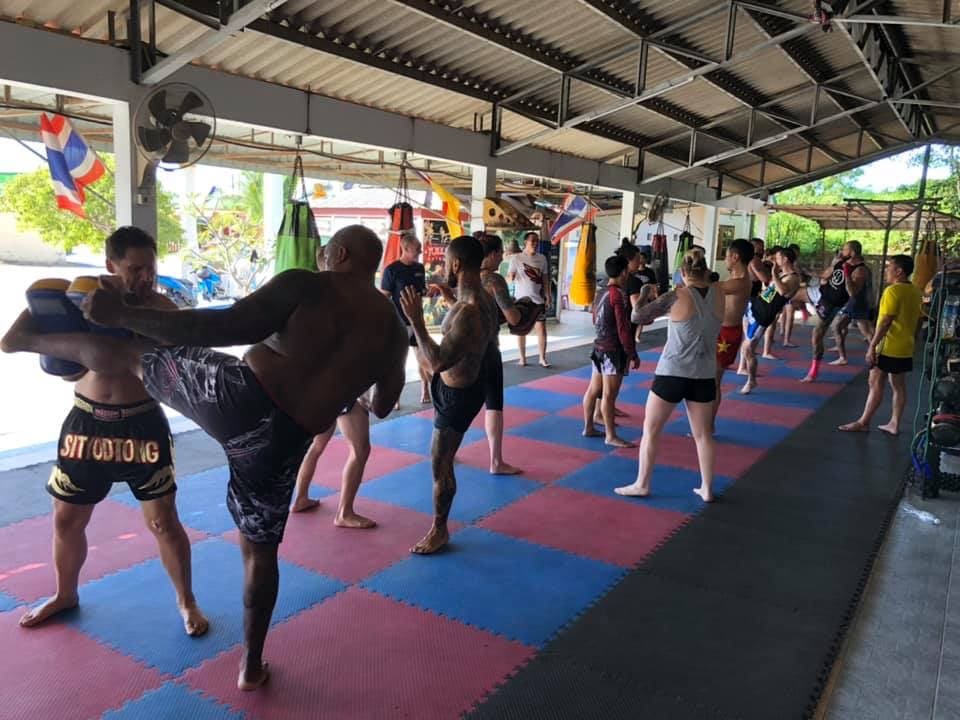
Search “best Muay Thai camp Thailand” and the results are almost all camps talking about themselves. That’s the problem. Every gym’s website says its trainers are the best, its food is the healthiest, its location is unbeatable. None of that helps someone trying to book six weeks of training and actually get it right the first time.
There are hundreds of camps spread across the country, ranging from air-conditioned fitness resorts to bare-bones gyms where the ring ropes are held together with tape. Picking the wrong one wastes money and, worse, wastes the trip. This guide breaks down the real categories, the real regional differences, and what a monthly budget actually looks like once training, rent and food are added up.
Tourist Camps vs Authentic Thai Gyms
Most first-time visitors end up choosing between two broad categories, even if they don’t realize it at the time.
Tourist-oriented camps are built around visitors. Trainers speak workable English, classes run on a fixed daily schedule, and the whole operation feels closer to a fitness resort than a boxing gym. Facilities are usually solid: multiple rings, a full weight room, sometimes a pool. Camps like Tiger Muay Thai in Phuket are commonly cited examples of this category, big, professionally run, popular with fitness travelers and serious athletes alike. Prices sit higher than the local alternative, but so does the comfort level, and nobody is left guessing what a trainer just said mid-round.
Authentic Thai gyms sit at the other end. These are usually smaller operations run by a Thai family, often tied to the local stadium circuit, where the head trainer might be a retired fighter with three hundred bouts behind him. English is limited. Instruction leans on demonstration rather than explanation, so a beginner has to watch and copy rather than be walked through the mechanics verbally. Training tends to be harder, the pad work less padded, and the atmosphere less polished. It’s also considerably cheaper, and for anyone who wants the sport in something close to its rawest form, it’s the more honest experience.
Then there’s a third category that doesn’t get discussed nearly enough: dedicated fight camps built for people who are actually competing. These gyms accept hobbyists too, but the daily rhythm is built around fighters cutting weight, sparring at fight pace, and preparing for a bout on the local Thai boxing calendar. Sparring partners are matched by skill, not by who happens to be free that hour. A total beginner can train there, but they’ll be training around people whose priorities are different from theirs, which changes the feel of the whole camp.
None of these categories are fixed. Plenty of camps blend elements of all three depending on who walks through the door that week.
Regions Compared
Where a camp sits matters almost as much as what kind of camp it is. Four regions dominate the Muay Thai travel map, and each one comes with a different rhythm.
| Region | Vibe | Typical Cost Level | Best For |
| Phuket | Beach resort, international crowd, polished facilities | Higher | First-timers who want comfort and English-speaking staff |
| Chiang Mai | Relaxed city, mountain air, mix of tourist and local gyms | Lower to mid | Budget-conscious travelers, longer stays, digital nomads |
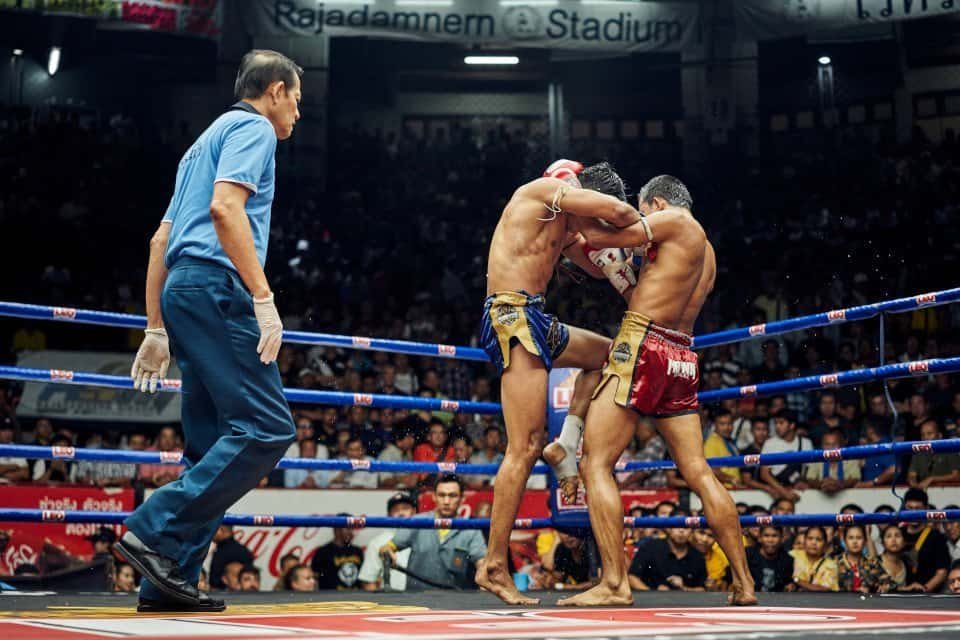
| Bangkok | Big city, stadium access (Lumpinee, Rajadamnern), fast pace | Mid | Fight fans who want to train and watch stadium bouts |
| Isaan | Rural, traditional, fewer foreigners, harder training | Lower | Serious practitioners chasing an authentic, no-frills experience |
Phuket wins on convenience. Flights are direct, the island has beaches and nightlife for rest days, and the bigger camps run like well-oiled machines. It costs more, and that’s the trade.
Chiang Mai has become the value pick over the past several years. Rent is cheap, food is cheap, and there’s a real mix of camps, from foreigner-friendly gyms to smaller local operations tucked into side streets. It’s also a genuinely pleasant city to live in for a month, which matters more than people expect once week three rolls around.
Bangkok is less about the training environment and more about proximity to the sport itself. Lumpinee and Rajadamnern stadiums host fight cards most weeks, and being able to watch a live show after a hard training day is worth something that no gym facility can replicate.
Isaan, the northeastern region, is where the sport’s roots run deepest. Camps here are smaller, trainers are often connected to a specific fighting lineage, and the pace of daily life slows down considerably. Fewer foreigners means fewer comforts, but also a training experience that feels far removed from anything built for tourists.
Real Monthly Budget Breakdown
Numbers online vary wildly depending on who’s writing them, so treat all of this as general ranges rather than fixed pricing. Camps adjust rates seasonally, and currency shifts move things around too.
Training itself, unlimited monthly packages at a mid-range camp, typically runs somewhere in the low-to-mid hundreds of US dollars. Tourist camps in Phuket sit toward the top of that range; smaller gyms in Isaan or rural Chiang Mai can undercut it by half. Housing adds another chunk, and it splits into tiers: a shared dorm room at the camp itself is the cheapest option, a private guesthouse room nearby costs more but buys privacy, and a proper apartment rental (common for stays over a month) sits somewhere in between once split monthly.
Food is where Thailand quietly saves travelers a lot of money. Street food and local restaurants cost very little; a full day of eating well can run under ten dollars if meals stay local. Western-style cafes and imported protein shakes push that number up fast, sometimes tripling it.
Add training, housing and food together and a modest but comfortable month in Chiang Mai lands meaningfully cheaper than the same setup in Phuket. None of this includes flights, visas, or gear, which need separate budgeting. For a full breakdown of what to pack and how visa runs typically work, the site’s Ultimate Muay Thai Travel Handbook covers that ground in more detail.
Can Total Beginners Go?
Yes. Genuinely, unreservedly yes, and this fear is one of the most overblown parts of the entire decision.
Camps see beginners constantly. A huge share of the people walking into a Phuket or Chiang Mai gym on day one have never thrown a kick in their life. Trainers know how to spot that immediately and adjust pace without making anyone feel singled out. The first class is intimidating for almost everyone, that part is normal, but by day three or four the nerves fade and the routine takes over.
One thing worth saying plainly: the version of this trip people imagine in their head, showing up hopelessly unfit and getting laughed out of the ring, basically never happens. Nobody there cares how fit a new arrival is. They care whether that person shows up and tries.
The exception is dedicated fight camps built around active competitors, where a total beginner might feel out of place among people prepping for bouts. For everyone else, no prior experience is required, and most camps will happily start someone from absolute zero.
Red Flags When Choosing
A few warning signs separate a solid camp from one that will disappoint.
Assembly-line camps pack thirty or more students into a single class with one or two trainers rotating through pad holding for seconds at a time. Nobody gets real correction, and technique quietly gets worse instead of better. Watch a class in person or on video before committing, and count how many students are on the floor per trainer.
Deceptive “all-inclusive” packages are the other trap. These bundle training, housing and meals into one upfront price that looks great on paper, then bury hidden costs in the fine print: mandatory gear purchases, non-refundable deposits, or housing that’s actually a shared room three streets away from the gym itself. Ask exactly what’s included before paying anything, and get it in writing.
A camp with no visible reviews beyond its own website, no independent photos or videos of the actual training floor, and heavy upfront pressure to book a long package before a trial session is worth treating with suspicion.
Booking: Direct vs Platforms
Booking straight through a camp’s own website or Facebook page is usually cheaper since there’s no middleman commission, and it allows direct back-and-forth about housing, schedule or specific trainers. It does require doing the homework independently: reading reviews, checking recent photos, confirming what’s actually included.
Third-party booking platforms add a layer of curation and customer support, which appeals to first-timers who’d rather not sort through dozens of camp websites alone. That convenience comes with a markup, and the selection is often narrower than what exists on the ground. A reasonable middle path many travelers use: book a short trial period, one to two weeks, directly with a camp before committing to a longer package once the fit is confirmed in person.
A Typical Training Day
Most camps run two sessions daily, with a long break in between.
The morning session usually starts early, somewhere around 6 or 7am, and opens with a run followed by pad work, bag work and conditioning drills. It wraps by mid-morning. The middle of the day is for eating, resting and letting the body recover from the heat, which drains energy faster than most newcomers expect. The evening session, typically late afternoon into early evening, tends to be more technical: clinch work, sparring, and detailed pad rounds with a trainer.
Meals fit around those two blocks, and most camps run one rest day per week, usually Sunday, which doubles as a chance to explore whatever region the camp sits in. Beyond the physical side, a lot of what makes a month at camp memorable comes from the people training alongside each other, a point covered in more depth in the site’s piece on the social side of Muay Thai training.
FAQ
How long should a first Muay Thai trip to Thailand be? Two to four weeks is a common sweet spot. It’s long enough to adjust to the heat and routine and see real improvement, short enough to avoid burnout on a first trip.
Do I need any fighting experience before booking a camp? No. Most camps, tourist-oriented and authentic alike, train complete beginners every week. Dedicated fight camps built around active competitors are the one exception worth avoiding for a first trip.
Is Phuket or Chiang Mai better for a first-timer? Phuket suits travelers who want more English, more polish and easy beach access. Chiang Mai suits anyone prioritizing budget and a slower, more local pace. Both work well for a first Muay Thai trip.
2 Comments